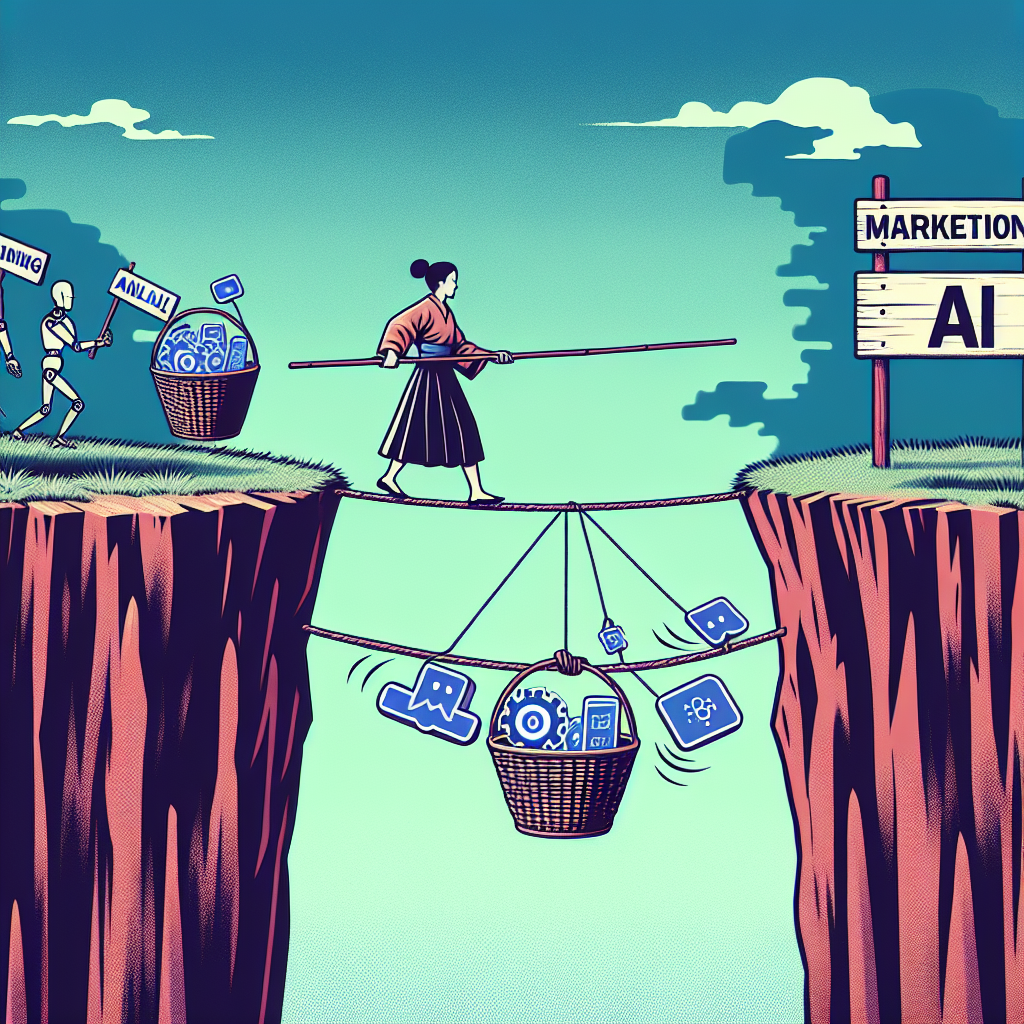
The Algorithmic Tightrope: Exploring the Riskier Side of AI Marketing Automation
Artificial intelligence (AI) has revolutionized marketing, offering unprecedented automation and personalization capabilities. However, the pursuit of efficiency and engagement can lead marketers down ethically ambiguous paths. This article explores some of the riskier AI-driven automated marketing tactics that, while potentially effective, demand careful consideration.
Hyper-Personalization Overload
AI excels at gathering and analyzing vast amounts of data to personalize marketing messages. The goal is to create tailored experiences that resonate with individual customers. But where is the line between personalization and creepy surveillance? Consider these points:
- Data Collection: AI algorithms often rely on extensive data collection, tracking user behavior across multiple platforms. While this data can improve targeting, it also raises privacy concerns. Customers may feel uncomfortable knowing how much information is being gathered about them.
- Predictive Targeting: AI can predict future customer behavior based on past actions. While this can be used to offer relevant products or services, it can also be used to manipulate or exploit vulnerabilities. For example, targeting individuals with specific ads based on their predicted financial difficulties raises serious ethical questions.
- The ‘Creep Factor’: Messages that are too personalized can feel intrusive and off-putting. Imagine receiving an ad that references a recent conversation or a private search query. This can damage trust and alienate potential customers.
Automated Content Generation Gone Astray
AI can generate marketing content, including articles, social media posts, and even email campaigns. This can save time and resources, but it also poses risks:
- Quality Control: AI-generated content may lack the nuance and creativity of human-written content. It may also contain factual errors or grammatical mistakes. This can damage a brand’s reputation and credibility.
- Plagiarism: AI algorithms can inadvertently plagiarize content from other sources. This can lead to legal issues and damage a brand’s reputation. Careful oversight and plagiarism checks are essential.
- Misinformation: AI can be used to generate fake news or spread misinformation. This can have serious consequences, especially in sensitive areas such as politics or healthcare.
AI-Powered Chatbots and Deception
Chatbots are increasingly used for customer service and sales. However, AI-powered chatbots can also be used in deceptive ways:
- Impersonation: Chatbots can be programmed to impersonate human agents. While this can improve efficiency, it can also be misleading. Customers may feel deceived if they believe they are interacting with a human when they are not.
- Emotional Manipulation: AI algorithms can analyze customer sentiment and tailor their responses accordingly. This can be used to manipulate customers into making purchases they otherwise would not.
- Data Security Risks: Chatbots can collect sensitive customer data, such as credit card numbers and personal addresses. If this data is not properly secured, it can be vulnerable to hacking and theft.
The Importance of Ethical Considerations
As AI becomes more sophisticated, it’s crucial for marketers to consider the ethical implications of their automated marketing tactics. Transparency, honesty, and respect for customer privacy should be guiding principles. Marketers should:
- Be Transparent: Clearly disclose when AI is being used to generate content or interact with customers.
- Obtain Consent: Obtain explicit consent before collecting and using customer data.
- Implement Safeguards: Implement safeguards to prevent the spread of misinformation and protect customer data.
- Prioritize Ethics: Prioritize ethical considerations over short-term gains.
Navigating the world of AI-powered marketing automation requires a delicate balance between innovation and responsibility. By carefully considering the ethical implications of their actions, marketers can harness the power of AI while maintaining customer trust and building long-term relationships.
