Making the Most of Family Travel in Japan: Beyond Sightseeing
Planning a family trip to Japan involves more than just booking flights and hotels. It’s about creating meaningful experiences and understanding the local culture. For families, this means considering everything from transportation to dining etiquette to ensure a smooth and enriching journey.
Navigating Japan’s Efficient Transportation System
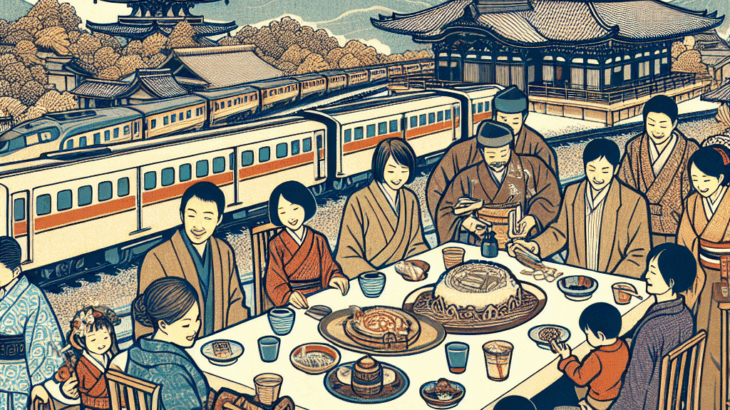
Japan boasts one of the world’s most efficient and reliable transportation systems, making it easy to explore the country with children. The Shinkansen (bullet train) is a must-try experience, offering comfortable and speedy travel between major cities. Purchase a Japan Rail Pass if you plan on extensive travel by train; it can save you a considerable amount of money.
- Suica and Pasmo Cards: These rechargeable cards are essential for using local trains, subways, and buses in urban areas. They simplify fare payment and eliminate the need to purchase individual tickets.
- Reserved Seating: For long-distance travel, especially during peak seasons, reserve seats on the Shinkansen. This guarantees a comfortable journey for your family.
- Luggage Considerations: Be mindful of luggage space, especially on crowded trains. Consider using a luggage forwarding service (Takyubin) to send your bags directly to your hotel.
Exploring Japan’s Cultural Heritage: Temples and Shrines
Visiting temples and shrines is a vital part of understanding Japanese culture. However, remember that these are sacred places, and respectful behavior is expected.
- Etiquette: Before entering, purify yourself at the temizuya (water pavilion) by washing your hands and rinsing your mouth (without touching the ladle to your mouth).
- Quiet Respect: Maintain a quiet demeanor inside the temple or shrine grounds. Avoid loud conversations or disruptive behavior.
- Offerings: You can make a small monetary offering at the offering box (saisenbako) and offer a silent prayer or bow.
- Omikuji: Try drawing an omikuji (fortune slip) for fun. If you receive a bad fortune, tie it to a designated rack to leave the bad luck behind.
Understanding Japanese Dining Etiquette
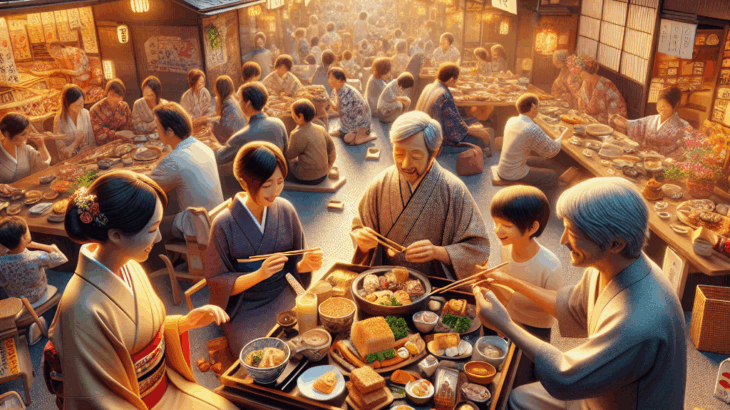
Dining in Japan is an experience in itself, and observing proper etiquette enhances your appreciation of the cuisine and culture.
- Chopsticks: Learn the proper way to use chopsticks. Avoid sticking them upright in your rice bowl (this is associated with funeral rituals) or passing food directly from chopstick to chopstick.
- Slurping: Slurping noodles is considered polite and indicates that you are enjoying your meal. Don’t hesitate to slurp your ramen or soba!
- Oshibori: Use the oshibori (damp towel) provided to clean your hands before eating. Do not use it to wipe your face.
- いただきます (Itadakimasu): Say “Itadakimasu” before you start eating to express gratitude for the meal.
- ごちそうさまでした (Gochisousama deshita): Say “Gochisousama deshita” after you finish eating to thank the person who prepared the meal.
Family-Friendly Activities Beyond the Tourist Trail
While iconic landmarks are essential, explore beyond the typical tourist spots for more unique family experiences.
- Local Festivals (Matsuri): Check local listings for festivals happening during your visit. These events offer vibrant displays of culture, food stalls, and games.
- Cooking Classes: Participate in a Japanese cooking class to learn how to make sushi, ramen, or other local delicacies.
- Day Trips: Take day trips to smaller towns and rural areas to experience a different side of Japan. Consider visiting places like Hakone, Nikko, or Kamakura.
- Parks and Gardens: Japan has beautiful parks and gardens perfect for a relaxing family outing. Ueno Park in Tokyo and Kenrokuen Garden in Kanazawa are excellent choices.
By understanding and respecting Japanese customs and etiquette, you and your family can have a more immersive and rewarding travel experience. Embrace the culture, be open to new experiences, and create unforgettable memories in the Land of the Rising Sun!