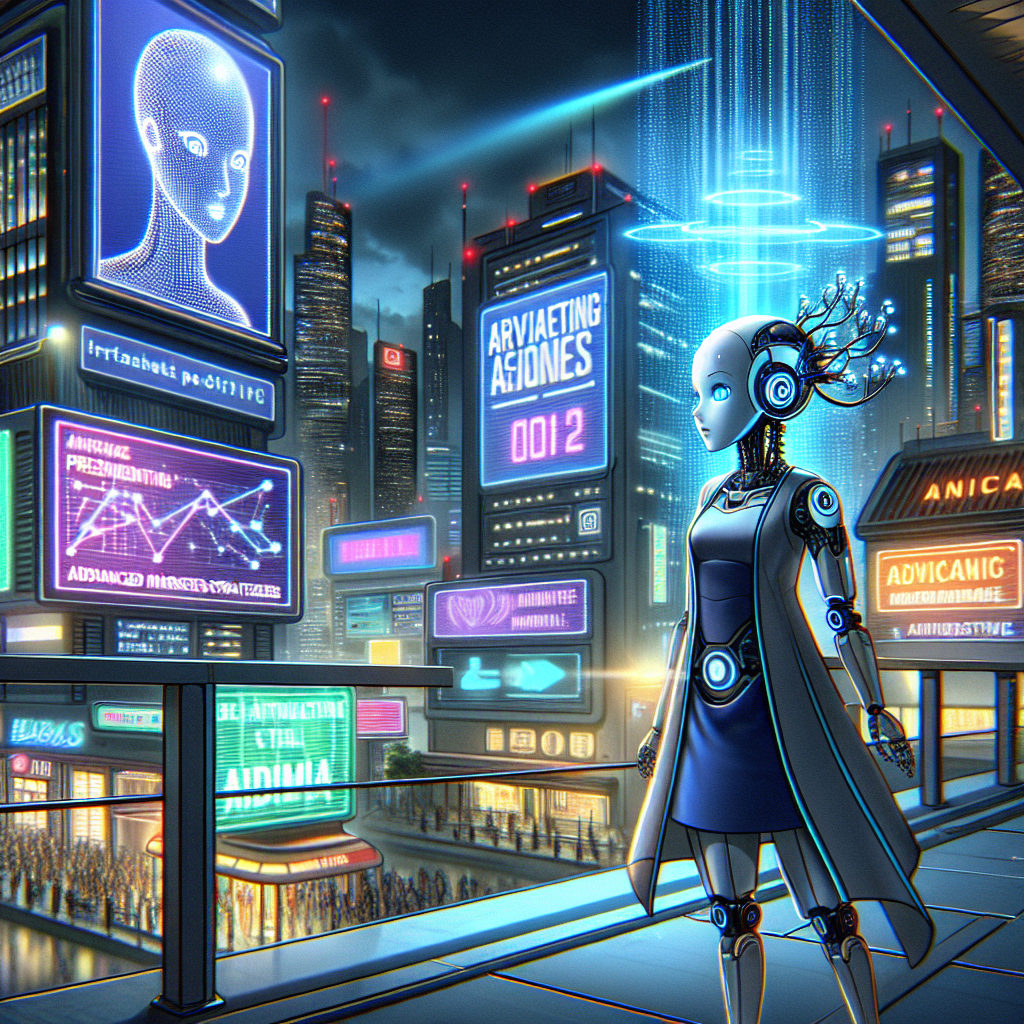
The Risky Realm of AI-Driven Marketing Automation
Artificial intelligence (AI) is reshaping marketing, offering unprecedented opportunities for automation, personalization, and optimization. However, the relentless pursuit of efficiency and ROI has pushed some marketers into ethically ambiguous territory. This article delves into the high-stakes world of AI-driven marketing, exploring some of the more questionable tactics being employed.
Personalization Gone Too Far
One of the key promises of AI in marketing is hyper-personalization. AI algorithms analyze vast amounts of data to understand individual customer preferences and behaviors, enabling marketers to deliver highly targeted messages. However, this level of personalization can sometimes feel intrusive or even manipulative. For instance, using AI to predict a customer’s emotional state and then tailoring marketing messages to exploit those emotions is a tactic that many find unethical. Similarly, creating highly personalized fake news or propaganda based on individual profiles crosses a dangerous line.
The Dark Side of Dynamic Pricing
Dynamic pricing, where prices fluctuate based on real-time demand and customer data, is another area where AI can be used in potentially unethical ways. While dynamic pricing can benefit both consumers and businesses in some situations, it can also be used to exploit vulnerable customers. For example, an AI algorithm might identify customers who are desperate for a product or service and then raise the price accordingly. This is especially problematic in situations where customers have limited choices or are facing emergencies.
AI-Powered Deception
AI can also be used to create deceptive marketing campaigns. For example, AI-generated fake reviews and testimonials can be used to artificially inflate the perceived value of a product or service. Similarly, AI-powered chatbots can be used to impersonate real people and engage in deceptive sales tactics. The ability of AI to convincingly mimic human behavior makes it increasingly difficult to distinguish between genuine interactions and manipulative campaigns.
The Problem of Algorithmic Bias
AI algorithms are trained on data, and if that data reflects existing biases, the algorithm will perpetuate and even amplify those biases. This can lead to discriminatory marketing practices, where certain groups of people are unfairly targeted or excluded. For example, an AI algorithm might be trained on data that shows that certain demographics are more likely to be interested in high-interest loans. If the algorithm then targets those demographics with predatory lending offers, it is engaging in discriminatory marketing.
The Need for Ethical Guidelines
As AI becomes increasingly integrated into marketing, it is crucial to develop clear ethical guidelines and regulations to prevent its misuse. These guidelines should address issues such as data privacy, algorithmic transparency, and the prevention of deceptive and discriminatory marketing practices. Without such guidelines, there is a risk that AI will be used to exploit consumers and erode trust in the marketing industry.
Ultimately, the responsible use of AI in marketing requires a commitment to ethical principles and a focus on building long-term relationships with customers. While the temptation to use AI for short-term gains may be strong, it is important to remember that trust is the foundation of any successful business. Marketing tactics that are perceived as manipulative or deceptive will ultimately damage a company’s reputation and undermine its long-term prospects.
Staying Vigilant in the Age of AI
The rapid evolution of AI technology means that the ethical challenges in marketing are constantly evolving. Marketers must stay vigilant and proactively address these challenges as they emerge. This includes investing in training and education to ensure that marketing teams understand the ethical implications of AI-powered marketing tactics. It also includes engaging in open and transparent communication with customers about how AI is being used to personalize their experiences.
By prioritizing ethics and transparency, marketers can harness the power of AI to create more engaging and valuable experiences for customers, while also building trust and protecting their brand reputation.
