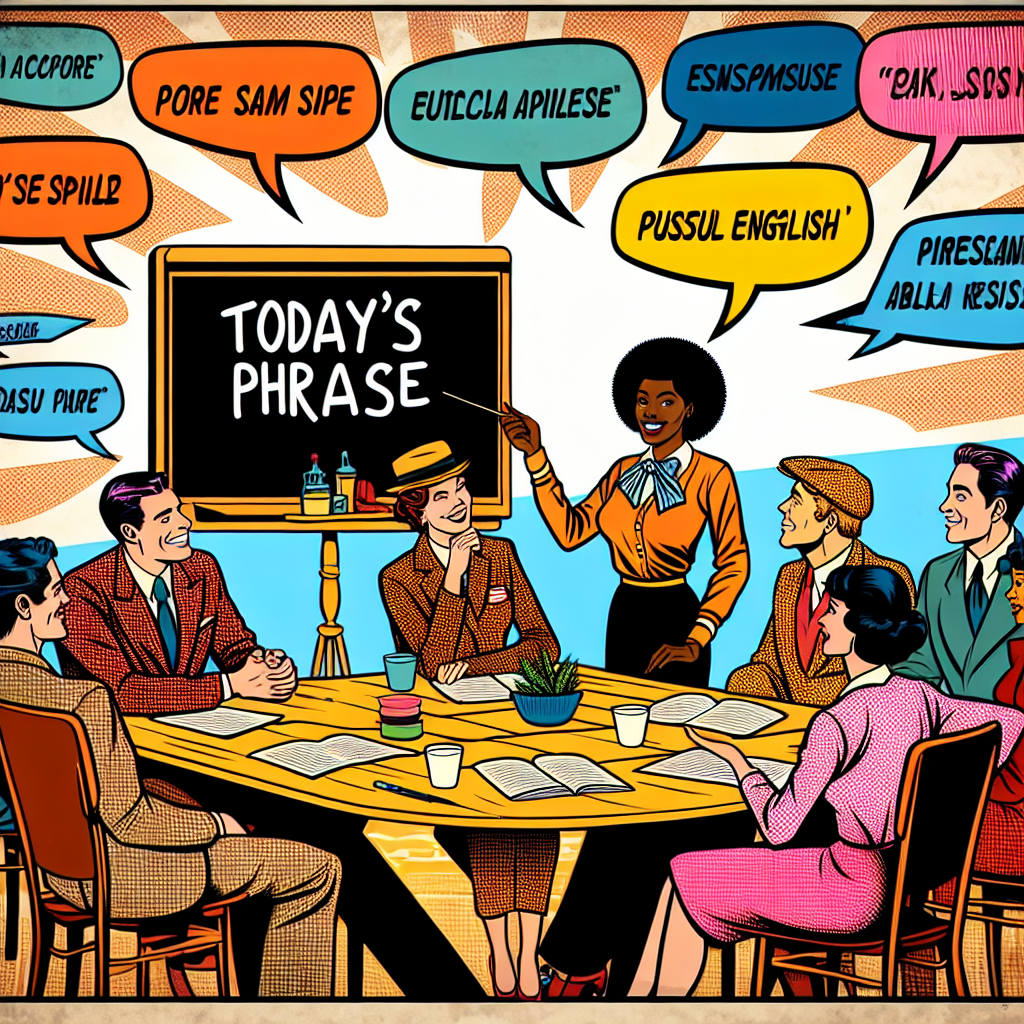
Decoding American English Slang: A Guide to Common Expressions
American English, like any living language, is constantly evolving. Slang plays a significant role in this evolution, adding color and nuance to everyday conversations. Understanding and using slang can help you connect more authentically with native speakers and navigate social situations with greater ease. This guide explores some essential American English slang terms that are commonly used in modern communication.
Why Learn Slang?
Learning slang isn’t just about sounding cool; it’s about understanding cultural context and unspoken cues. Slang can reveal attitudes, relationships, and social dynamics that might be missed if you only rely on formal language. It allows you to:
- Understand jokes and references.
- Connect with people on a more personal level.
- Avoid misunderstandings.
- Sound more natural and confident.
Essential American English Slang Phrases
Here are some common and useful American English slang phrases, along with their meanings and examples:
-
“What’s up?”
Meaning: A general greeting, similar to “How are you?” or “What’s going on?”
Example: “Hey John, what’s up?”
-
“Cool”
Meaning: An expression of approval or agreement.
Example: “That’s a cool idea!”
-
“Hang out”
Meaning: To spend time together in a relaxed way.
Example: “Let’s hang out this weekend.”
-
“Chill”
Meaning: To relax or calm down.
Example: “Just chill and watch a movie.”
-
“Awesome”/”Epic”
Meaning: Something very impressive or amazing.
Example: “That concert was awesome!” or “That movie was epic!”
-
“Bust”
Meaning: Used by students when they get ready to leave a room, school, location, etc. after a long period of time, expressing the relief of departing that location.
Example: “I have been stuck in this building all day; let’s bust!”
-
“No cap”
Meaning: No lie. Usually used as an intensifier, to let a person know that you are not lying, and being authentic in your statement.
Example: “I was so surprised to see a bear in the forest, no cap!”
-
“Hit me up”
Meaning: Contact me, get in touch with me.
Example: “Hit me up next week when you are free.”
-
“I’m dead”
Meaning: This is not literal, but a phrase to express that you are reacting to something very funny.
Example: “That cat picture is so funny, I’m dead!”
-
“Tea”
Meaning: When there is tea, there is gossip. This can be interpreted as having gossip to share, or asking for gossip.
Example: “Spill the tea!” or “Do you have the tea about what happened between John and Mary?”
Context is Key
It’s important to remember that slang can be context-dependent and can vary regionally. What’s common in one part of the country might not be understood or used in another. Pay attention to how native speakers use slang and try to learn from their example. Using the wrong slang in the wrong situation can be awkward or even offensive.
A Note on Formality
While slang can be useful in informal settings, it’s generally best to avoid it in formal situations, such as job interviews, academic presentations, or formal business communications. Stick to standard English when formality is required.
Expanding Your Slang Vocabulary
The best way to learn new slang is to immerse yourself in the language. Watch American movies and TV shows, listen to American music, and try to engage in conversations with native speakers. Pay attention to the slang they use and ask them to explain anything you don’t understand. Online resources, such as slang dictionaries and forums, can also be helpful.
Don’t Overdo It
While it’s good to understand and use slang, avoid overusing it. Using too much slang can make you sound unnatural or insincere. Strive for a balance between using slang appropriately and speaking clearly and effectively.
By understanding and using American English slang appropriately, you can enhance your communication skills, connect more authentically with native speakers, and gain a deeper understanding of American culture.
