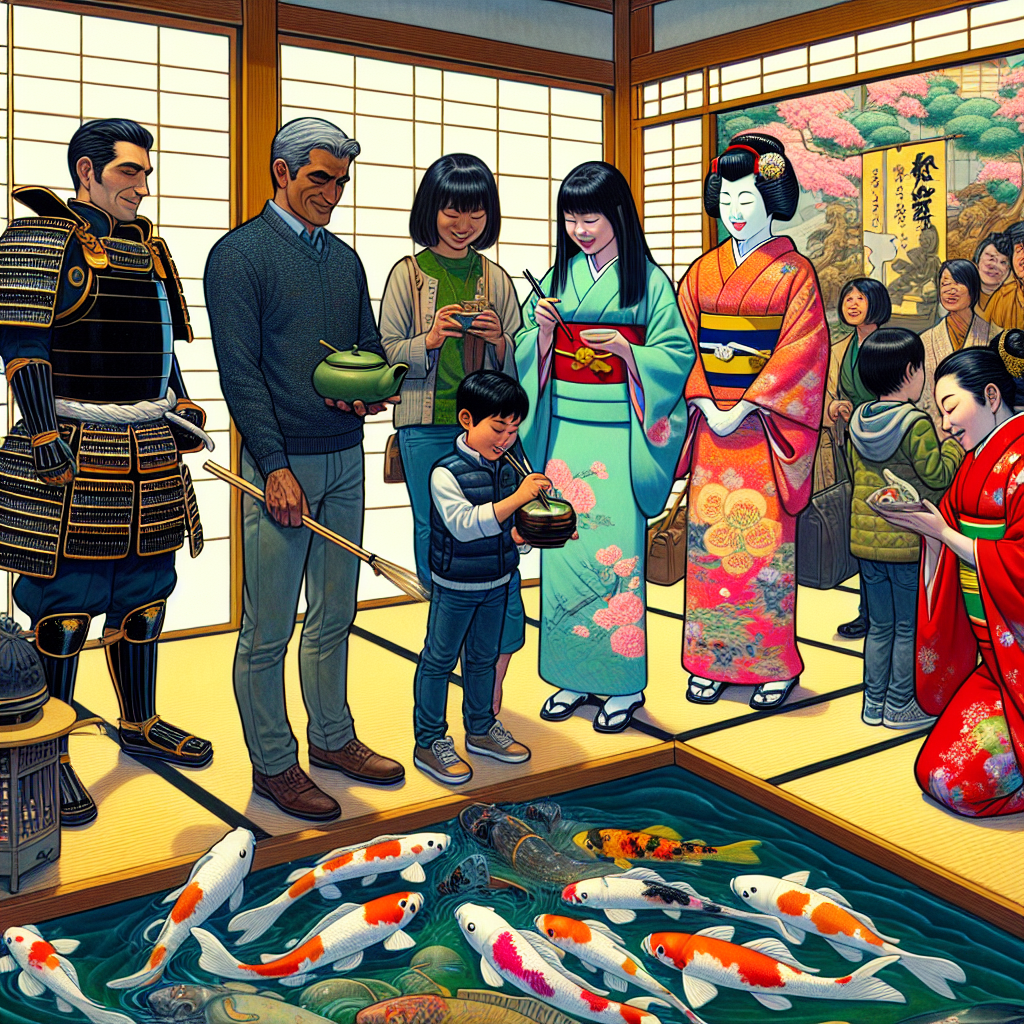
Welcome to Japan: Your Family Adventure Begins!
Konnichiwa! As your dedicated Japan travel concierge, I’m thrilled to assist you in planning an extraordinary family adventure. Japan offers a unique blend of ancient traditions and modern marvels, ensuring an unforgettable experience for visitors of all ages. This guide will highlight essential cultural experiences and etiquette tips to ensure a smooth and enriching journey for your family.
Must-Try Cultural Experiences for Families
Immerse yourselves in the vibrant culture of Japan with these unforgettable activities:
- Tea Ceremony (Chadō): Participate in a traditional tea ceremony. Children will be fascinated by the meticulous preparation and serene atmosphere. It’s a great way to learn about Japanese aesthetics and hospitality.
- Kimono Experience: Dress up in beautiful kimonos and stroll through historic districts like Gion in Kyoto. Many studios offer family packages with professional photoshoots.
- Taiko Drumming: Attend a taiko drumming performance or even take a workshop. The powerful rhythms and energetic performances are sure to captivate everyone.
- Shodo (Calligraphy): Try your hand at Japanese calligraphy. Learn to write your name or simple phrases with elegant brushstrokes.
- Origami: Discover the art of paper folding. Many temples and cultural centers offer origami workshops for children.
- Visit a Sumo Wrestling Stable: Observe a morning practice session at a sumo stable. Witness the discipline and strength of these incredible athletes.
Essential Etiquette Tips for Families in Japan
Understanding and respecting Japanese customs will greatly enhance your travel experience.
Dining Etiquette
- Chopsticks: Learn how to use chopsticks properly. Avoid sticking them upright in your rice bowl, as this resembles a funeral ritual.
- Slurping Noodles: It’s perfectly acceptable (and even encouraged) to slurp your noodles. This enhances the flavor and shows enjoyment.
- Say “Itadakimasu” (いただきます) before meals: This phrase translates to “I humbly receive” and expresses gratitude for the food.
- Say “Gochisousama deshita” (ごちそうさまでした) after meals: This phrase means “Thank you for the feast” and expresses appreciation to the host or chef.
- Avoid Wasting Food: It’s considered impolite to leave a lot of food uneaten. Order appropriately and finish what you take.
Public Behavior
- Quiet Voices: Keep your voices down in public places, especially on trains and buses.
- No Shoes Indoors: Remove your shoes before entering homes, temples, and some traditional restaurants. Slippers are usually provided.
- Bowing: Bowing is a common form of greeting and showing respect. A slight nod is sufficient for casual encounters.
- Avoid Public Displays of Affection: Public displays of affection are generally reserved.
- Respect Personal Space: Avoid crowding or touching others unnecessarily.
- Tattoos: Tattoos are still somewhat stigmatized in Japan due to their association with organized crime. Some onsen (hot springs) may not allow entry to people with visible tattoos. Consider using a bandage or covering to conceal them.
Onsen (Hot Spring) Etiquette
- Cleanse Thoroughly: Wash your body thoroughly before entering the onsen. There are usually washing stations with soap and showers provided.
- No Swimsuits: Onsen are typically enjoyed in the nude.
- Tie Up Long Hair: Keep long hair tied up so it doesn’t touch the water.
- No Diving or Swimming: Relax and enjoy the therapeutic waters.
Navigating Transportation with Children
Japan’s public transportation system is efficient and reliable. Here are some tips for traveling with children:
- Shinkansen (Bullet Train): The Shinkansen is a comfortable and convenient way to travel long distances. Reserve seats in advance, especially during peak seasons.
- Japan Rail Pass: Consider purchasing a Japan Rail Pass if you plan to travel extensively by train.
- Subways and Buses: Be mindful of rush hour and plan your travel accordingly.
- Strollers: While Japan is generally stroller-friendly, some stations and streets may have limited accessibility. Consider using a baby carrier for crowded areas.
Family-Friendly Accommodations
- Ryokan (Traditional Inn): Experience a traditional Japanese stay at a ryokan. Many ryokan offer family rooms and on-site onsen.
- Hotels: Western-style hotels are widely available in major cities. Look for family-friendly hotels with amenities like cribs and play areas.
- Vacation Rentals: Consider renting a vacation rental for more space and flexibility, especially for larger families.
Enjoying Japanese Cuisine with Kids
Japanese cuisine offers a variety of delicious options for children:
- Sushi: Introduce your children to sushi with milder options like tamago (egg) or kappa maki (cucumber roll).
- Ramen: Ramen is a comforting and customizable dish that kids often enjoy.
- Udon and Soba: These noodles are thicker and chewier than ramen, making them fun for kids to eat.
- Tempura: Lightly battered and deep-fried vegetables and seafood are a crowd-pleaser.
- Onigiri (Rice Balls): These are convenient and portable snacks that come in various flavors.
With a little planning and preparation, your family trip to Japan will be an unforgettable adventure filled with cultural discoveries and cherished memories. Safe travels!
