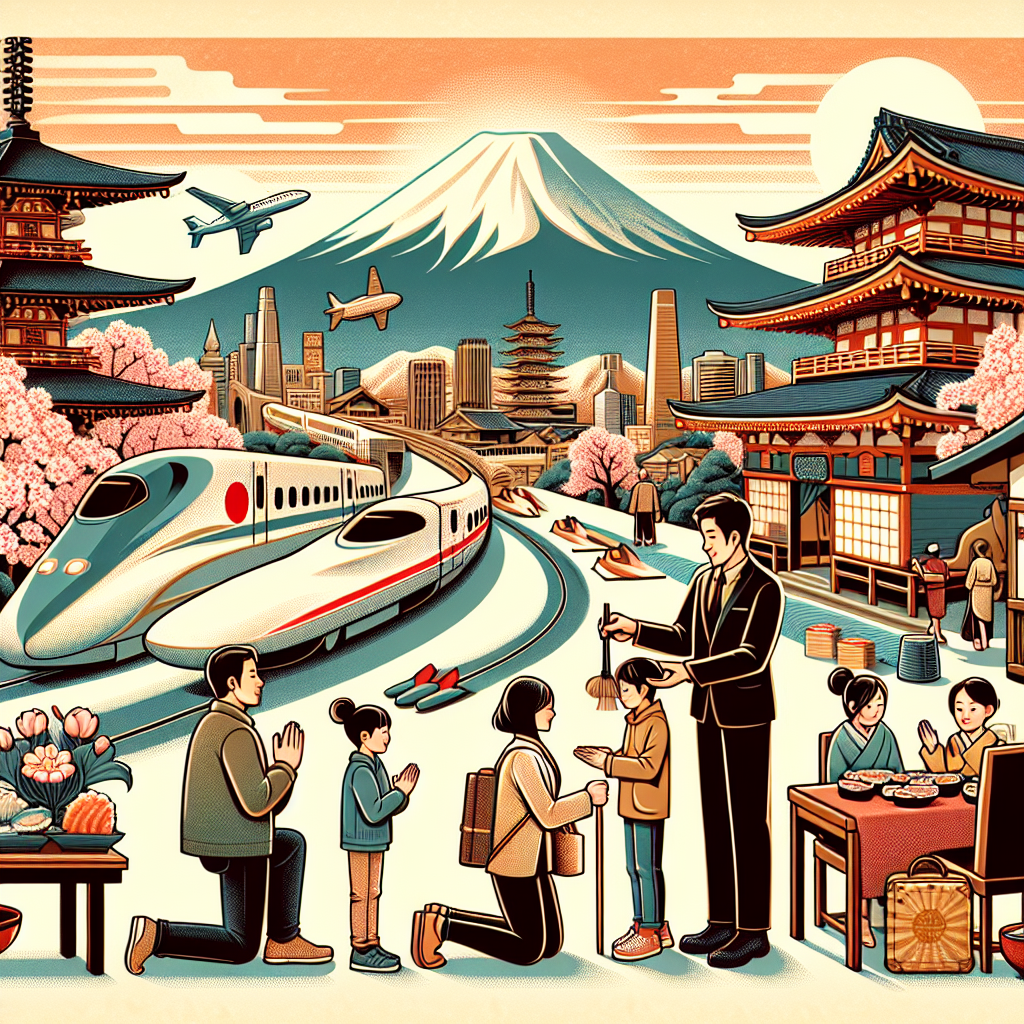
Unlocking Japan: A Guide for Foreign Families
Planning a trip to Japan with your family is an exciting endeavor. However, understanding Japanese customs and etiquette can significantly enhance your experience and ensure a smoother, more respectful journey. This guide highlights essential cultural nuances and recommends enriching activities tailored for foreign families.
Essential Japanese Customs for Families
Navigating Japan requires awareness of several key customs. Consider these points to ensure a respectful and enjoyable visit:
- Bowing (お辞儀, ojigi): Bowing is a fundamental form of greeting and expressing respect. While a slight nod is sufficient for casual interactions, deeper bows are appropriate for more formal situations. Don’t worry too much about perfection; a sincere attempt is always appreciated.
- Shoes Off Indoors: It’s customary to remove your shoes when entering homes, traditional restaurants, and some temples. Look for a designated shoe removal area (usually a step-up platform called a genkan). Slippers are often provided. In some cases, separate toilet slippers are available, so be mindful of switching back to the regular slippers afterward.
- Public Transportation Etiquette: On trains and buses, refrain from loud conversations and phone calls. Offering your seat to elderly individuals, pregnant women, or people with disabilities is considered polite. During rush hour, avoid talking at all.
- Gift-Giving (お土産, omiyage): Gift-giving is a common practice. When receiving a gift, accept it with both hands and express gratitude. When giving a gift, it’s polite to modestly downplay its value. Souvenirs (omiyage) are often brought back from trips to share with colleagues, friends, and family.
- Dining Etiquette: When using chopsticks, avoid sticking them upright in your rice bowl, as this resembles a funeral ritual. Also, avoid passing food directly from chopstick to chopstick. It’s acceptable to lift bowls to your mouth while eating rice or soup. Slurping noodles is not only acceptable but also considered a sign of enjoyment.
- Cash is King (and Queen): While credit cards are becoming more widely accepted, many smaller establishments, especially in rural areas, still prefer cash. It’s wise to carry sufficient yen, especially when venturing outside major cities. ATMs that accept foreign cards can be found at post offices and convenience stores (like 7-Eleven).
Family-Friendly Activities and Experiences
Japan offers a plethora of activities catering to families with children. Here are some suggestions:
- Theme Parks: Tokyo Disneyland and Tokyo DisneySea offer classic Disney magic with a unique Japanese twist. Universal Studios Japan in Osaka features attractions based on popular movies and anime, including Harry Potter and Nintendo areas.
- Cultural Immersion: Visit Kyoto, the ancient capital, to explore stunning temples, serene gardens, and traditional tea houses. Participate in a tea ceremony or try your hand at calligraphy.
- Nature Escapes: Hakone, a mountain resort town near Tokyo, offers breathtaking views of Mount Fuji, art museums, and relaxing onsen (hot springs). Consider a hike through the Japanese Alps for stunning scenery.
- Animal Encounters: Nara Park is famous for its friendly wild deer that roam freely. You can purchase deer crackers to feed them (but be prepared for enthusiastic interactions!). Aquariums throughout Japan offer fascinating glimpses into marine life.
- Food Adventures: Explore local markets and sample regional specialties. Many restaurants offer family-friendly options like ramen, udon, and okonomiyaki (savory pancake). Conveyor belt sushi (kaitenzushi) is always a hit with kids.
Tips for Traveling with Children
Traveling with children requires additional planning. Keep these tips in mind:
- Pack light: Utilize Japan’s efficient luggage forwarding services to transport your suitcases between cities.
- Bring snacks: While convenience stores are readily available, having familiar snacks on hand can be helpful, especially for picky eaters.
- Utilize public transport: Japan’s public transportation system is efficient and clean. Purchase a Japan Rail Pass if you plan to travel extensively by train.
- Plan for downtime: Schedule breaks throughout the day to avoid overwhelming children. Parks and gardens offer peaceful retreats.
- Learn basic Japanese phrases: Knowing a few basic phrases like “hello” (konnichiwa), “thank you” (arigato), and “excuse me” (sumimasen) will be greatly appreciated.
By embracing Japanese customs and planning thoughtfully, your family trip to Japan will be a memorable and enriching adventure. Enjoy exploring this fascinating country!
