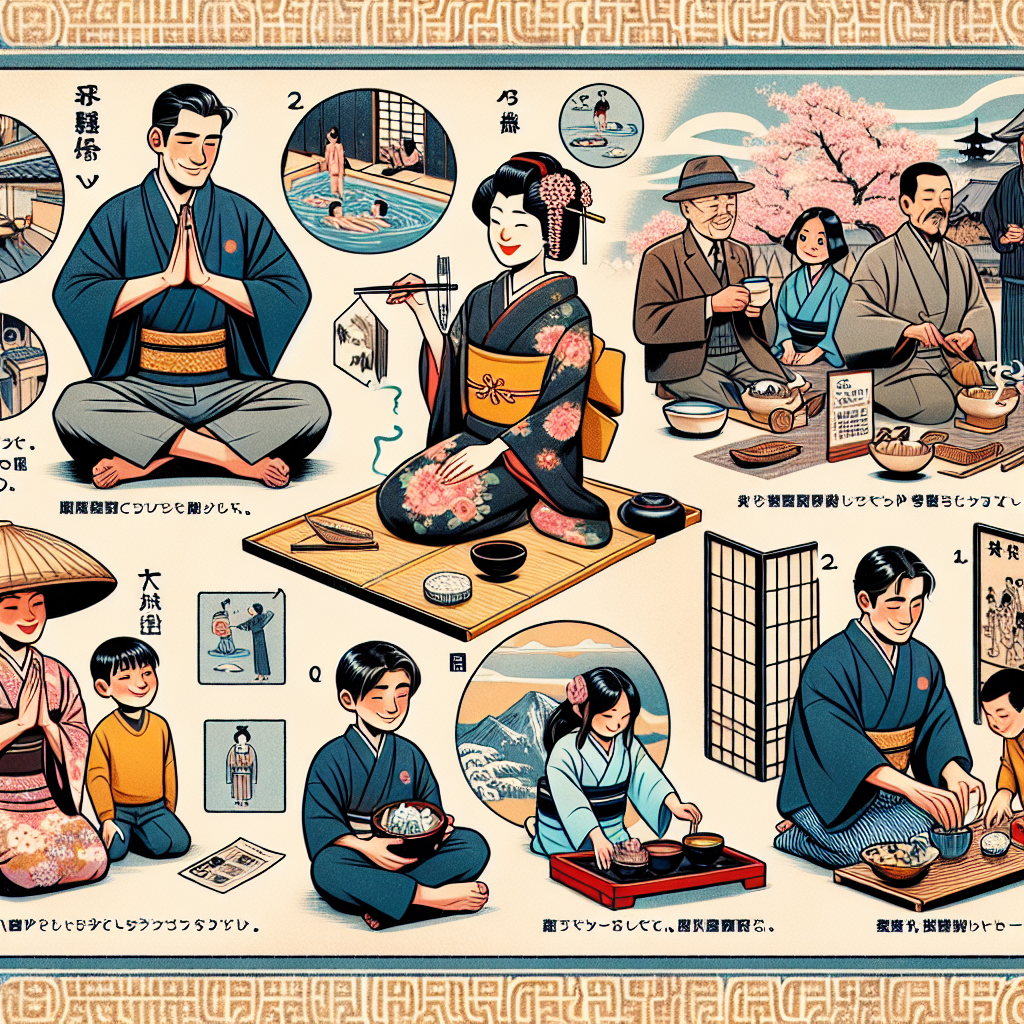
Delving into Japanese Culture: A Family Guide
Welcome to Japan! As a dedicated concierge for families visiting Japan, I’m here to help you navigate the rich tapestry of Japanese culture. This guide provides insights into experiences and customs, making your family trip both enjoyable and respectful.
Essential Cultural Experiences
Here are some engaging experiences that will immerse your family in Japanese culture:
- Tea Ceremony (茶道, Chadō): Participate in a traditional tea ceremony. Learn the precise movements, the significance of each gesture, and the art of preparing and enjoying matcha. Many places offer family-friendly versions.
- Traditional Arts & Crafts: Engage in activities such as calligraphy (書道, Shodō) or origami (折り紙). Workshops are available in most major tourist destinations, offering hands-on experiences for all ages.
- Temple and Shrine Visits: Explore temples (寺, Tera) and shrines (神社, Jinja). Learn the proper etiquette for praying and offering respects. Observe the architecture and the serene atmosphere.
- Kimono Experience: Dress up in a traditional kimono (着物) and take a stroll through a historic district. Many rental shops offer family packages, allowing everyone to participate.
- Japanese Festivals (祭り, Matsuri): If your trip coincides with a local festival, be sure to attend. Enjoy the vibrant atmosphere, traditional music, and food stalls.
Navigating Japanese Customs and Etiquette
Understanding Japanese customs is crucial for a smooth and respectful visit. Here are key points to remember:
- Bowing (お辞儀, Ojigi): Bowing is a common form of greeting and showing respect. A slight nod is sufficient for casual interactions, while a deeper bow signifies greater respect.
- Shoes Off Indoors: Always remove your shoes when entering homes, traditional restaurants, and some temples. Slippers are usually provided.
- Using Chopsticks (箸, Hashi): Learn basic chopstick etiquette. Avoid sticking chopsticks upright in a bowl of rice, as this resembles a funeral ritual. Do not pass food directly from chopstick to chopstick.
- Public Transportation: Maintain a quiet demeanor on trains and buses. Avoid loud conversations and phone calls. Priority seating is reserved for the elderly, pregnant women, and people with disabilities.
- Gift-Giving (贈り物, Okurimono): When giving a gift, present it with both hands and a slight bow. It is customary to politely decline a gift once or twice before accepting it.
- Onsen Etiquette: If visiting an onsen (温泉, hot spring), follow the specific rules. Wash thoroughly before entering the bath and do not wear swimwear. Tattoos may need to be covered, depending on the establishment.
- Tipping: Tipping is not customary in Japan. In fact, it can be considered rude in some situations. Service is generally included in the price.
Family-Friendly Dining Experiences
Japanese cuisine offers a wide variety of flavors and experiences. Consider these family-friendly options:
- Sushi (寿司): A classic Japanese dish that many children enjoy. Opt for kid-friendly options like tamago (egg) or cucumber rolls.
- Ramen (ラーメン): Noodle soup with various toppings. It’s a comforting and customizable meal that is sure to please everyone.
- Udon (うどん) and Soba (そば): Thick wheat noodles (udon) and thin buckwheat noodles (soba) served hot or cold. They are often served with a flavorful broth and various toppings.
- Okonomiyaki (お好み焼き): A savory pancake containing various ingredients. It’s a fun and interactive dish that can be customized to suit individual tastes.
- Tempura (天ぷら): Deep-fried seafood and vegetables. It’s a light and crispy dish that is often served with a dipping sauce.
By embracing these experiences and customs, your family will not only create lasting memories but also gain a deeper appreciation for the beauty and complexity of Japanese culture. Enjoy your adventure!
