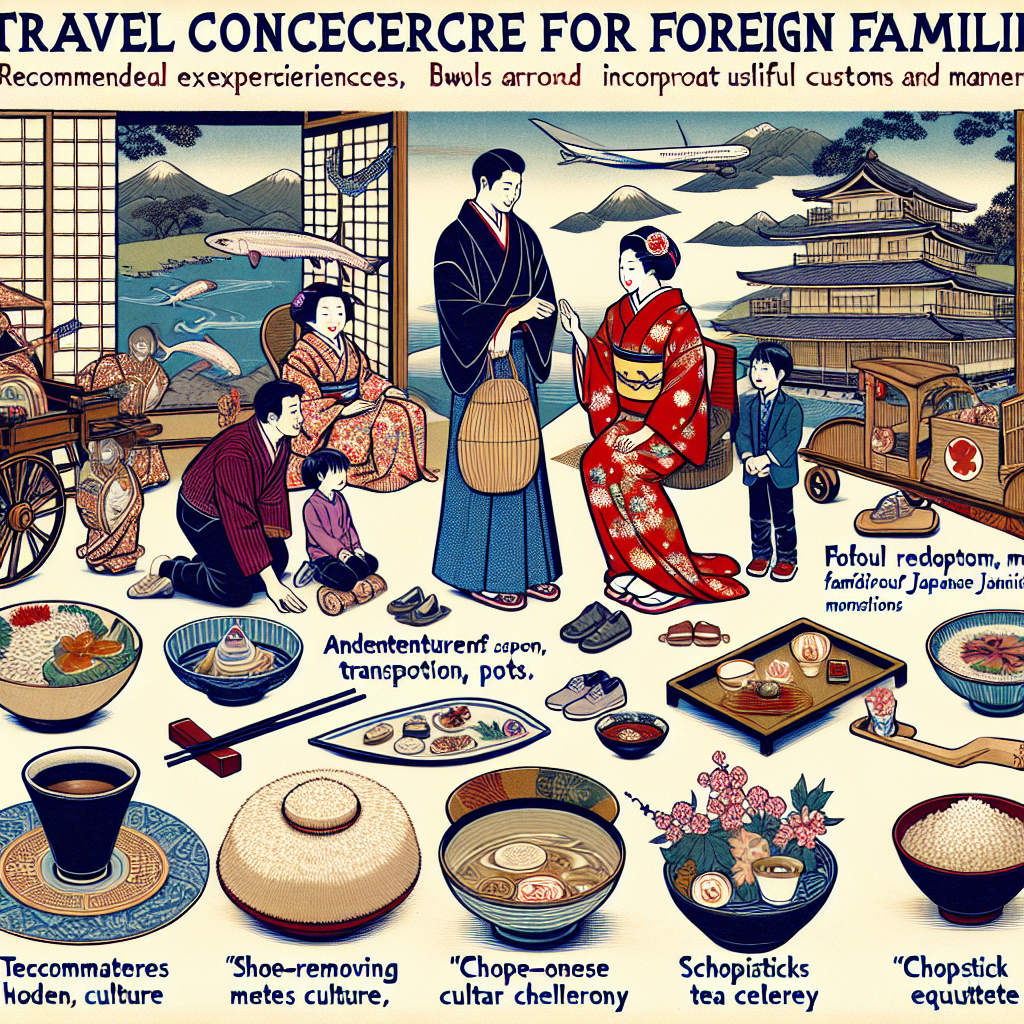
Navigating Japan with Family: A Foreigner’s Guide
Planning a family trip to Japan as foreigners can be an exciting adventure! However, understanding a few cultural nuances and practical tips will ensure a smoother, more enjoyable experience for everyone. Here’s a breakdown of key considerations for your Japanese family vacation.
Transportation Tips for Families
Japan boasts an incredibly efficient public transportation system. However, navigating it with children requires planning:
- Japan Rail Pass: If you plan on traveling extensively by Shinkansen (bullet train), consider purchasing a Japan Rail Pass before arriving in Japan. It can save you significant money.
- Suica/Pasmo Cards: These rechargeable cards are essential for using local trains and buses in major cities. They eliminate the need to buy individual tickets each time.
- Reserved Seats: Especially during peak seasons (Golden Week, Obon, New Year’s), reserve seats on Shinkansen trains in advance to guarantee your family sits together.
- Strollers: While Japan is generally stroller-friendly, be prepared for crowded platforms and narrow walkways. A lightweight, foldable stroller or a baby carrier might be more practical in some situations.
- Luggage: Consider using a luggage forwarding service (takkyubin) to send your suitcases from the airport to your hotel or between cities. This is especially helpful when traveling with young children.
Dining Out with Kids: What to Expect
Japanese cuisine offers a wide variety of flavors, but it’s essential to be aware of potential challenges when dining with children:
- Kid-Friendly Options: Many restaurants offer kid-friendly options like okosama lunch (children’s lunch), which typically includes familiar items like rice, fried chicken, and fruit.
- High Chairs: High chairs are not always available, particularly in smaller establishments. It’s a good idea to bring a portable high chair or booster seat, or be prepared to have your child sit on your lap.
- Table Manners: Teach your children basic Japanese table manners, such as saying “itadakimasu” (thank you for the meal) before eating and “gochisousama deshita” (thank you for the meal) after finishing. Slurping noodles is acceptable, but avoid sticking chopsticks upright in your rice bowl.
- Allergies: If your child has allergies, be sure to communicate this clearly to the restaurant staff. Carry a written card in Japanese explaining the allergy.
- Eating in Public: While it’s generally acceptable to eat on trains and in parks, avoid eating while walking.
Accommodation: Choosing the Right Place to Stay
Selecting the right accommodation is crucial for a comfortable family trip:
- Hotel Rooms: Western-style hotel rooms are readily available in most cities. Consider booking connecting rooms or a larger room to accommodate your family comfortably.
- Ryokans (Traditional Inns): For a unique cultural experience, consider staying in a ryokan. Many ryokans offer traditional Japanese rooms with tatami mats and futon beds. Be aware that ryokans typically require guests to remove their shoes upon entering.
- Airbnb: Airbnb can be a cost-effective option for families, especially if you need a kitchen to prepare meals.
Essential Customs and Etiquette for Foreign Families
Understanding basic Japanese customs and etiquette will help you navigate social situations with ease:
- Bowing: Bowing is a common form of greeting and showing respect. A slight nod is sufficient for casual encounters, while a deeper bow is appropriate for more formal situations.
- Shoes: Always remove your shoes when entering homes, temples, and some traditional restaurants. Slippers are usually provided.
- Public Bathrooms: Public bathrooms are generally clean and well-maintained. Some may have squat toilets, so be prepared.
- Tipping: Tipping is not customary in Japan. In fact, it can be considered rude.
- Loud Talking: Avoid talking loudly on trains and buses.
- Trash: Public trash cans can be scarce. Carry a small bag to dispose of your trash properly.
- Onsen (Hot Springs): If you plan to visit an onsen, be aware of the rules regarding nudity and tattoos. Some onsen may not allow guests with tattoos.
Experiences
Consider these memorable experiences for your family:
- Theme Parks: Tokyo Disneyland and Universal Studios Japan.
- Cultural Immersion: Tea ceremonies, calligraphy classes, and trying on kimonos.
- Nature: Hiking in national parks, visiting gardens, or experiencing cherry blossom season.
By keeping these considerations in mind, you’ll be well-prepared to enjoy a memorable and enriching family trip to Japan. Embrace the culture, be respectful, and have fun!
