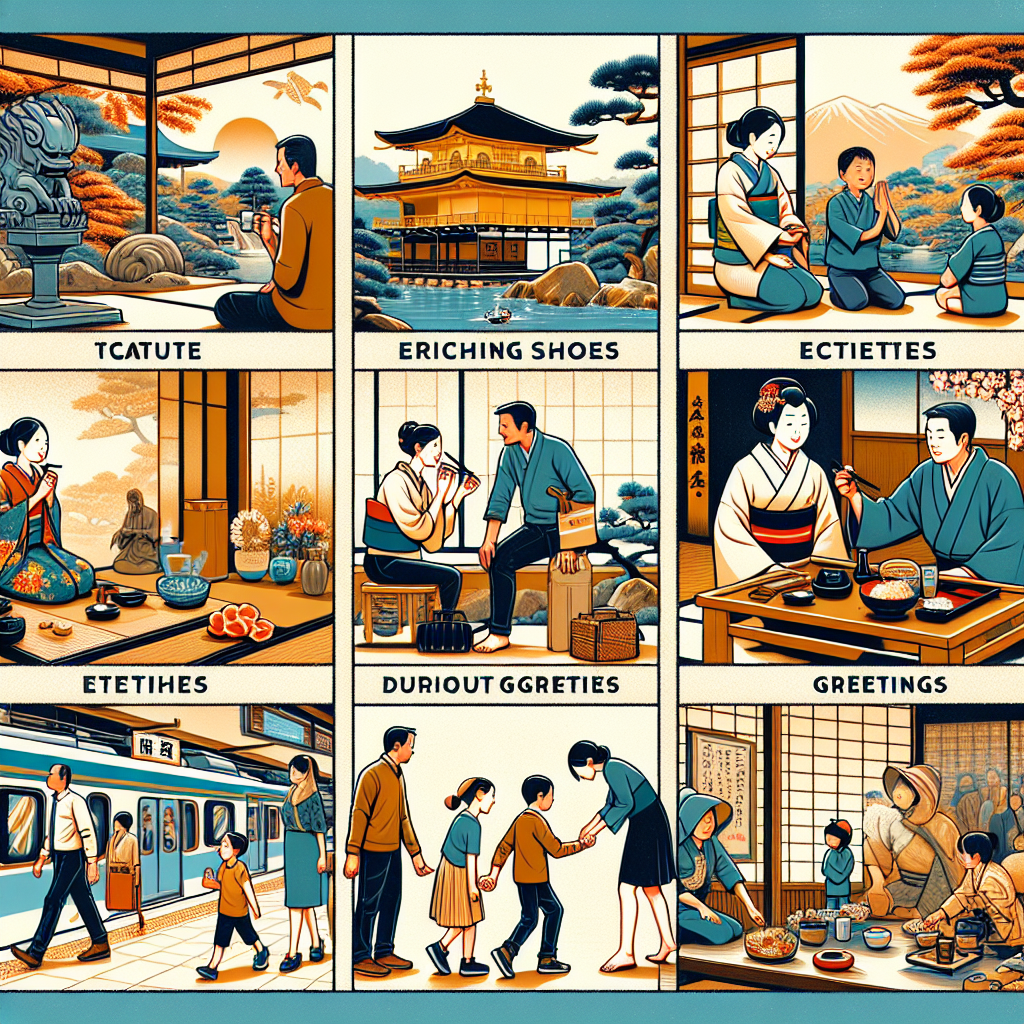
Unlocking Japan: Your Family’s Guide to Authentic Experiences
Planning a trip to Japan with your family? Get ready for an incredible adventure! Japan is a land of captivating contrasts, where ancient traditions meet futuristic innovation. This guide offers a curated selection of experiences, practical travel tips, and essential cultural insights to ensure a smooth and enriching journey for your entire family.
Immersive Experiences for the Whole Family
Japan offers a wealth of activities that cater to all ages and interests. Here are a few ideas to spark your imagination:
- Explore Ancient Temples and Shrines: Kyoto’s Fushimi Inari Shrine with its thousands of vibrant red torii gates, or Nara’s Todai-ji Temple, home to a giant bronze Buddha statue, are both unforgettable sights. Remember to teach your kids about the proper etiquette when visiting these sacred places, such as bowing before entering and avoiding loud noises.
- Dive into the World of Anime and Manga: Visit the Ghibli Museum in Tokyo (reservations essential!) or explore Akihabara, Tokyo’s electric town, where you can find anime merchandise and arcades galore.
- Experience a Traditional Tea Ceremony: Learn the art of preparing and drinking matcha, a powdered green tea, in a serene and meditative setting. Many tea houses offer kid-friendly versions of the ceremony.
- Attend a Local Festival (Matsuri): Depending on the time of year, you might be able to witness a vibrant matsuri. These festivals often feature colorful parades, traditional music, and delicious street food.
- Relax in an Onsen (Hot Spring): Japan is famous for its onsen, and many ryokans (traditional Japanese inns) offer family-friendly onsen experiences. Note that tattoos are often prohibited in public onsen, so consider a private onsen or using waterproof bandages to cover them.
Navigating Japan: Transportation and Accommodation
Getting around Japan is efficient and comfortable, thanks to its excellent public transportation system.
- Shinkansen (Bullet Train): The shinkansen is a must-try experience. It’s incredibly fast, clean, and punctual, making it easy to travel between major cities. Consider purchasing a Japan Rail Pass if you plan on doing a lot of long-distance travel.
- Subways and Local Trains: Tokyo and other major cities have extensive subway and train networks. Learning a few basic phrases in Japanese will be helpful, but many stations have signs in English.
- Accommodation Options: From traditional ryokans to modern hotels, Japan offers a variety of accommodation options to suit different budgets and preferences. Ryokans provide a unique cultural experience, with tatami mat flooring, futon beds, and traditional Japanese meals.
Japanese Cuisine: A Culinary Adventure
Japanese food is much more than just sushi! Encourage your kids to try a variety of dishes:
- Ramen: A noodle soup dish with endless regional variations.
- Udon and Soba: Thick wheat noodles (udon) and thin buckwheat noodles (soba) served hot or cold.
- Tempura: Lightly battered and deep-fried seafood and vegetables.
- Okonomiyaki: A savory pancake filled with various ingredients, popular in Osaka and Hiroshima.
- Onigiri: Rice balls wrapped in nori seaweed, a convenient and delicious snack.
Essential Japanese Etiquette for Families
Understanding a few basic Japanese customs will go a long way in ensuring a respectful and enjoyable trip:
- Bowing: Bowing is a common form of greeting and showing respect. A slight bow is sufficient in most situations.
- Removing Shoes: It’s customary to remove your shoes when entering someone’s home, a temple, or a ryokan. Slippers are usually provided.
- Using Chopsticks: Avoid sticking chopsticks upright in a bowl of rice, as this is associated with funerals.
- Public Transportation: Refrain from talking loudly on your phone or making excessive noise on public transportation.
- Tipping: Tipping is not customary in Japan. In fact, it can sometimes be considered rude.
- Gift Giving: If you’re invited to someone’s home, it’s polite to bring a small gift.
Staying Safe and Healthy
Japan is a very safe country, but it’s still important to take precautions:
- Earthquakes: Japan is prone to earthquakes. Familiarize yourself with earthquake safety procedures.
- Health Insurance: Make sure you have adequate travel insurance that covers medical expenses.
- Water: Tap water is generally safe to drink in Japan.
- Mosquitoes: Mosquitoes can be a nuisance, especially during the summer months. Bring insect repellent.
With a little planning and preparation, your family trip to Japan will be an unforgettable experience filled with cultural discoveries, delicious food, and lasting memories!
