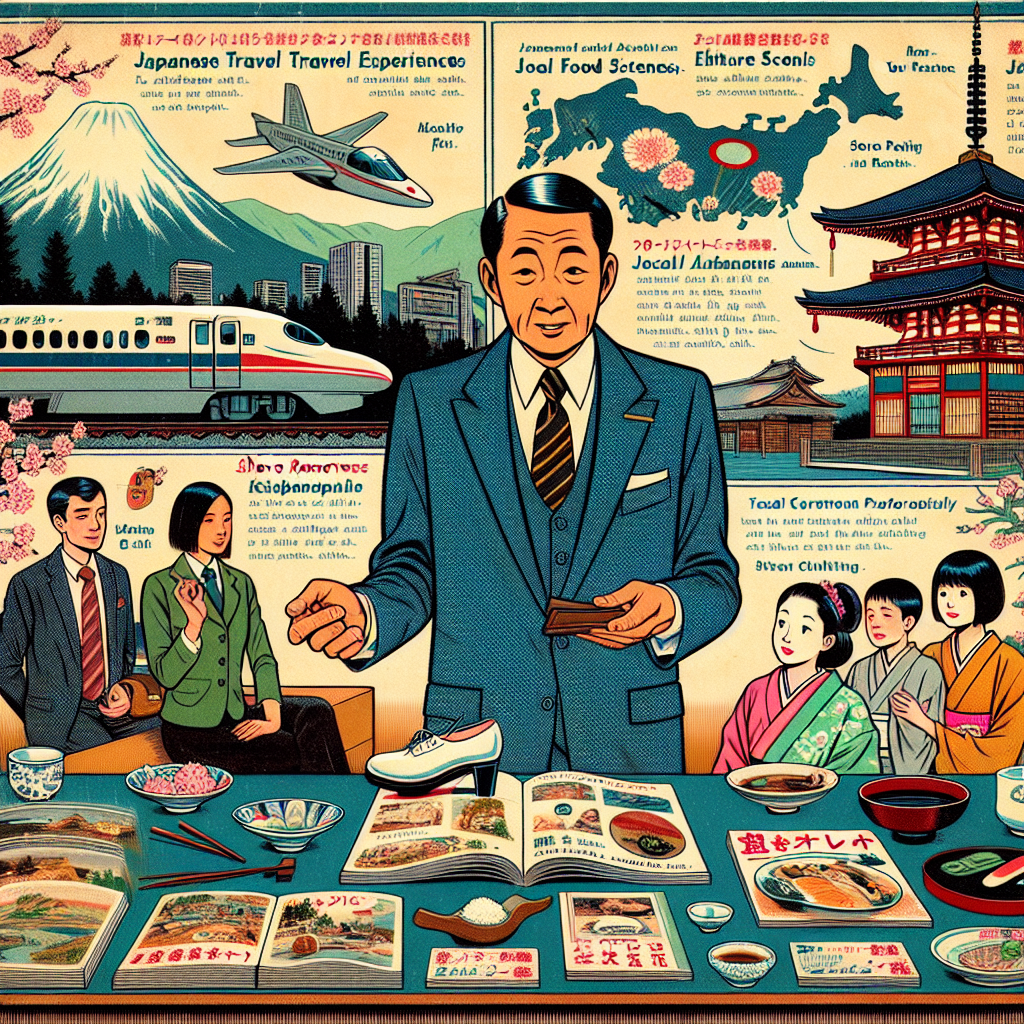
Welcome to Japan: A Concierge Guide for Foreign Families
Planning a trip to Japan with your family? As your dedicated concierge, I’m here to provide insider tips to ensure your journey is smooth, enriching, and unforgettable. Japan offers a captivating blend of ancient traditions and cutting-edge technology, providing something for every member of your family. Let’s explore essential aspects of Japanese travel, including unique experiences, transportation tips, culinary delights, and crucial etiquette pointers.
Experiences: Beyond the Tourist Trail
While iconic landmarks like Mount Fuji and the temples of Kyoto are must-sees, consider these unique experiences to create lasting memories:
- Traditional Arts Workshops: Participate in a calligraphy, origami, or pottery class. Many workshops cater to families and offer English instructions.
- Local Festivals (Matsuri): Research local festivals happening during your visit. These vibrant celebrations offer a glimpse into Japanese culture, with parades, food stalls, and traditional performances.
- Farm Stays: Spend a night or two on a working farm. This offers a hands-on experience with Japanese agriculture and a chance to connect with nature.
- Cooking Classes: Learn to prepare sushi, ramen, or other Japanese dishes. It’s a fun and educational activity for the whole family.
- Anime and Manga Exploration: For families with older children, explore the world of anime and manga. Visit themed cafes, museums, and shops dedicated to popular characters and series.
Mastering Japanese Transportation
Japan’s transportation system is efficient and reliable, but it can be daunting for first-time visitors. Here are some key tips:
- Japan Rail Pass: If you plan on extensive travel by Shinkansen (bullet train), consider purchasing a Japan Rail Pass before your trip. It offers unlimited travel within a specified period.
- Suica or Pasmo Cards: These rechargeable cards are essential for navigating local trains and buses in major cities. They can also be used for purchases at vending machines and convenience stores.
- Subway Navigation: Download a subway navigation app (e.g., Japan Official Travel App) to help you navigate the complex subway systems in Tokyo and Osaka.
- Luggage Forwarding: Utilize Japan’s efficient luggage forwarding service (Takuhaibin) to send your luggage ahead to your next destination. This is especially helpful if you’re traveling with children and don’t want to lug heavy bags on trains.
- Reserved Seats: For long-distance train journeys, especially during peak season, reserve your seats in advance to ensure a comfortable ride.
Delightful Dining: A Culinary Adventure
Japanese cuisine is diverse and delicious, offering something for every palate. Here are some tips for navigating the culinary landscape:
- Family-Friendly Restaurants: Look for restaurants with picture menus or plastic food displays to help you choose your meals. Many restaurants also offer children’s sets (okosama lunch).
- Ramen and Udon: These noodle dishes are popular and affordable options for families.
- Conveyor Belt Sushi (Kaitenzushi): This is a fun and interactive dining experience, where sushi plates circulate on a conveyor belt.
- Trying New Things: Encourage your children to try new flavors and dishes, but don’t force them. Start with milder options like tempura or gyoza.
- Dietary Restrictions: If you have any dietary restrictions (e.g., vegetarian, gluten-free), communicate them clearly to the restaurant staff. Some restaurants may be able to accommodate your needs.
Essential Etiquette for a Smooth Trip
Understanding and respecting Japanese customs is crucial for a positive travel experience. Here are some key etiquette points:
- Bowing: Bowing is a common greeting and expression of gratitude. A slight nod is sufficient for most situations.
- Shoes Off Indoors: Remove your shoes when entering homes, temples, and some traditional restaurants. Slippers are usually provided.
- Using Chopsticks: Avoid sticking your chopsticks upright in a bowl of rice, as this resembles a funeral ritual.
- Public Transportation Etiquette: Refrain from talking loudly on trains and buses. Offer your seat to elderly or pregnant individuals.
- Tipping: Tipping is not customary in Japan. In fact, it may be considered rude.
- Mask Wearing: While mask mandates may vary, it is still common to see people wearing masks, especially during flu season.
Onsen (Hot Springs) Etiquette
Visiting an onsen is a quintessential Japanese experience. Here are some guidelines:
- Showering Before Entering: Always shower thoroughly before entering the onsen.
- No Swimsuits: Onsen are typically enjoyed in the nude.
- Tattoos: Many onsen do not allow tattoos. If you have tattoos, consider using a bandage or asking the staff if they have any policies regarding tattoos. Private onsen (kashikiri) are also an option.
- Quiet Enjoyment: Maintain a quiet and respectful atmosphere in the onsen.
Conclusion: Embrace the Journey
With careful planning and an open mind, your family trip to Japan will be an adventure of a lifetime. Embrace the cultural differences, savor the delicious food, and create lasting memories with your loved ones. Safe travels!
