Enriching Your Family’s Japanese Adventure: A Blend of Culture and Courtesy
Welcome to Japan! As your personal concierge, I’m delighted to present a curated guide designed to elevate your family’s journey through this captivating land. Beyond the iconic landmarks and bustling cities lies a rich tapestry of traditions and customs. Understanding and embracing these nuances will not only enrich your experience but also foster meaningful connections with the local people.
This guide will delve into a selection of immersive experiences and essential Japanese courtesies, ensuring your family creates unforgettable memories while demonstrating respect for the culture.
Immersive Cultural Experiences for Families
Japan offers a plethora of experiences perfect for families seeking authentic cultural immersion. Here are a few suggestions:
- Traditional Arts Workshops: Participate in workshops teaching skills such as calligraphy (Shodo), origami, or pottery. These hands-on activities offer a tangible connection to Japanese artistry.
- Temple Stays (Shukubo): Experience the tranquility of a Buddhist temple by staying overnight. Engage in morning prayers, meditation sessions, and sample vegetarian Buddhist cuisine (Shojin Ryori).
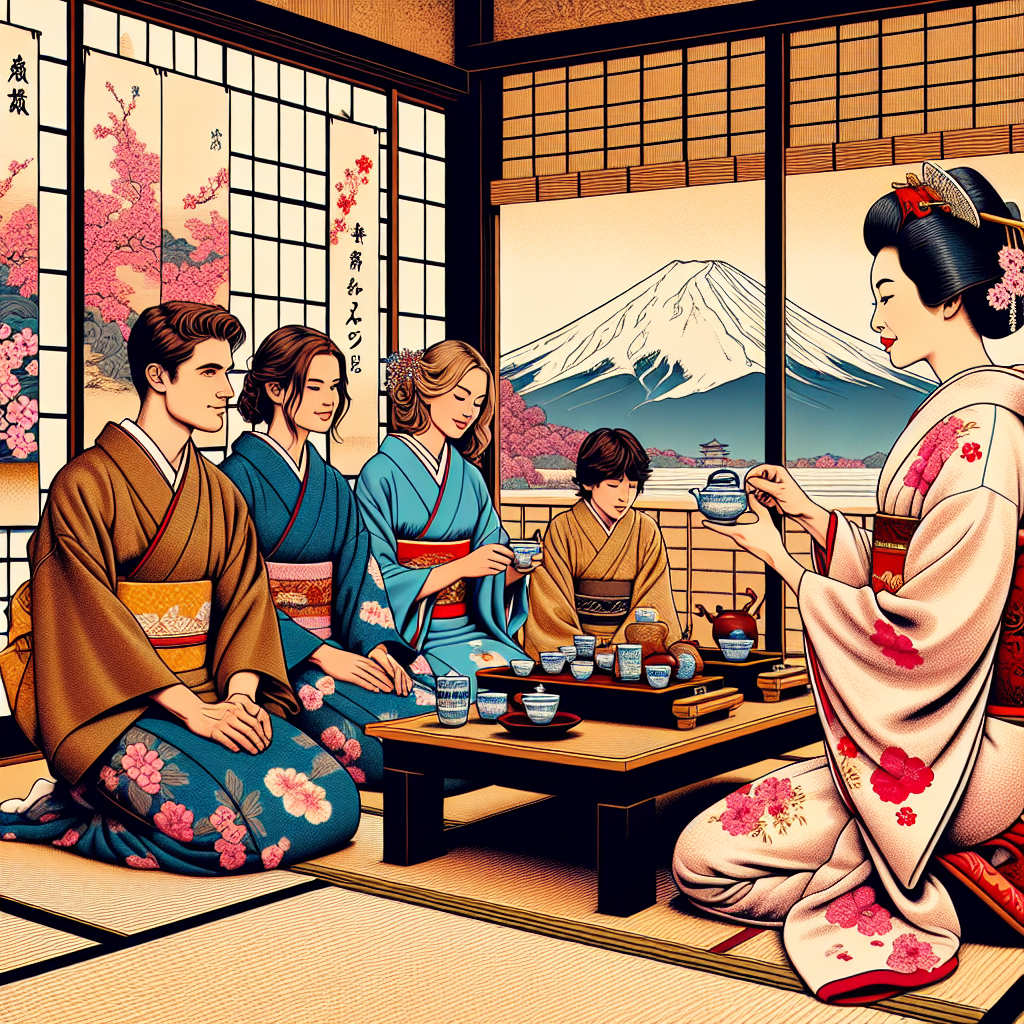
- Tea Ceremony (Cha-do) Demonstrations: Witness and participate in a traditional tea ceremony, learning the precise movements and the significance of each element.
- Cooking Classes: Learn to prepare classic Japanese dishes like sushi, ramen, or tempura. These classes often provide insights into the importance of fresh, seasonal ingredients.
- Festival Participation (Matsuri): Immerse yourselves in the vibrant atmosphere of a local festival. Many festivals welcome visitors and offer opportunities to participate in traditional dances or games.
Essential Japanese Courtesies for a Smooth Journey
Understanding basic Japanese manners can significantly enhance your interactions and show respect for the local culture. Here are some essential points to keep in mind:
- Bowing (Ojigi): Bowing is a fundamental gesture of greeting, gratitude, and apology. A slight bow is generally sufficient for casual interactions.
- Respectful Language: While English is spoken in tourist areas, learning a few basic Japanese phrases such as “Konnichiwa” (hello), “Arigato” (thank you), and “Sumimasen” (excuse me) will be greatly appreciated.
- Removing Shoes: It is customary to remove your shoes when entering homes, traditional restaurants, temples, and some other establishments. Slippers are usually provided.
- Using Chopsticks (Hashi): Avoid sticking chopsticks upright in a bowl of rice, as this resembles a funeral ritual. Do not pass food directly from chopstick to chopstick.
- Public Transportation Etiquette: Refrain from talking loudly on your phone on trains and buses. Offer your seat to the elderly, pregnant women, or people with disabilities.
- Tipping: Tipping is not customary in Japan. In fact, it can sometimes be considered rude.
- Gift Giving: If you are invited to someone’s home, bringing a small gift is a thoughtful gesture. Wrap the gift attractively and present it with both hands.
Navigating Onsen (Hot Springs) with Confidence
Onsen, or Japanese hot springs, are a quintessential part of Japanese culture. However, they also come with specific etiquette. Here’s what you need to know:
- Showering Before Entering: Always shower thoroughly before entering the onsen. There are usually showering stations located near the bathing area.
- Nudity: Onsen are typically segregated by gender, and bathing is done in the nude. Modesty towels are often provided, but they are meant for drying off, not for wearing in the water.
- No Swimsuits: Swimsuits are generally not allowed in onsen.
- No Diving or Swimming: Onsen are meant for relaxation, so avoid excessive movement or splashing.
- Tattoos: Tattoos are sometimes associated with organized crime in Japan, and some onsen may prohibit entry to individuals with visible tattoos. However, this is becoming less common, and you can often cover your tattoos with bandages or ask the staff for assistance.
Embracing the Experience
By embracing these cultural experiences and practicing respectful etiquette, your family will undoubtedly forge deeper connections with the Japanese people and create lasting memories. Enjoy the journey!
