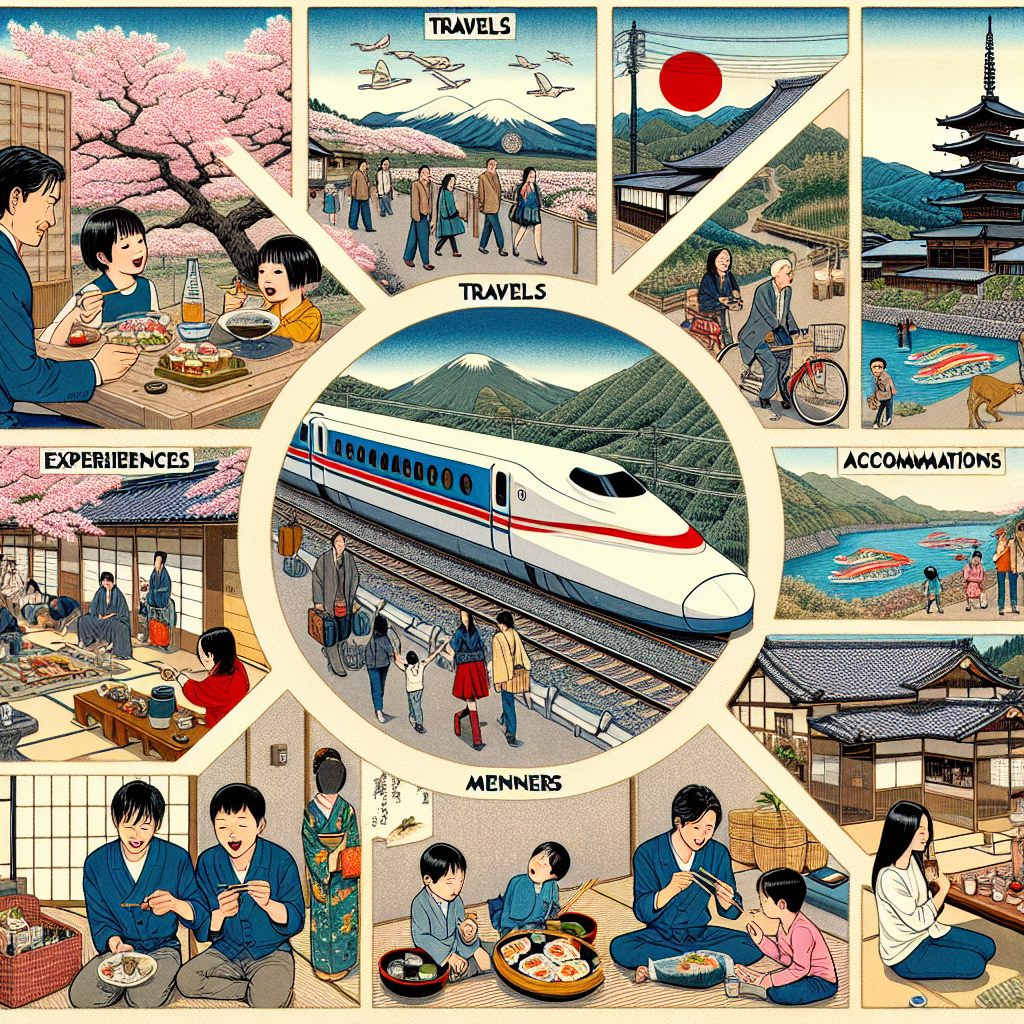
Japan with Kids: A Foreign Family’s Guide to Unforgettable Experiences
Planning a family trip to Japan is incredibly exciting! To make the most of your adventure, understanding a few key aspects of Japanese culture, travel, and cuisine will ensure a smooth and enriching experience for everyone.
Experiences: Beyond the Tourist Hotspots
Japan offers a wealth of experiences perfect for families. Think beyond the typical tourist trail to create truly memorable moments:
- Theme Parks: Tokyo Disneyland and DisneySea are always popular, but consider Universal Studios Japan in Osaka for a different thrill, particularly the Wizarding World of Harry Potter.
- Animal Encounters: Visit the Nara Deer Park, where friendly wild deer roam freely (be sure to buy special crackers to feed them!). Or try the Osaka Aquarium Kaiyukan, one of the largest aquariums in the world.
- Cultural Immersion: Participate in a tea ceremony, try a calligraphy class, or visit a local craft workshop. Many temples and shrines offer family-friendly activities.
- Outdoor Adventures: Hike in the Japanese Alps, cycle through the countryside, or enjoy water sports on the coast. Consider a farm stay for a unique glimpse into rural life.
- Museums: The Ghibli Museum (reservations essential!) is a must for animation fans. The Miraikan (science museum) in Tokyo offers interactive exhibits for all ages.
Navigating Japan: Transportation Tips for Families
Japan boasts an incredibly efficient public transportation system. Here’s how to make the most of it with kids:
- Japan Rail Pass: If you plan on extensive travel by Shinkansen (bullet train), the Japan Rail Pass can save you money. Consider purchasing before you arrive in Japan.
- Subway and Local Trains: Purchase a Suica or Pasmo card (reloadable travel cards) for easy access to subways and local trains in major cities.
- Buses: Buses are common in cities and rural areas. Check routes and schedules in advance.
- Taxis: Taxis are readily available, but can be expensive. They are useful for short distances or when traveling with lots of luggage. Note that taxi doors often open and close automatically.
- Luggage Forwarding: Take advantage of Japan’s excellent luggage forwarding service (takkyubin) to send your suitcases between hotels, allowing you to travel lighter.
Dining Delights: Japanese Food for Picky Eaters
Japanese cuisine is diverse and delicious, but it can be intimidating for children. Here are some kid-friendly options:
- Ramen: A comforting noodle soup with various toppings. Many restaurants allow you to customize your order.
- Udon: Thick wheat noodles, often served in a simple broth.
- Sushi: Start with milder options like cooked shrimp (ebi), egg (tamago), or cucumber (kappa maki).
- Tempura: Lightly battered and deep-fried seafood and vegetables.
- Onigiri: Rice balls filled with various ingredients, a convenient and portable snack.
- Okonomiyaki: A savory pancake with cabbage and other ingredients, cooked on a griddle.
- Curry Rice (Kare Raisu): A mild and sweet curry served with rice.
Don’t be afraid to ask for modifications or simpler versions of dishes. Many restaurants are accommodating. Also, convenience stores (konbini) offer a wide variety of snacks and drinks, perfect for quick meals on the go.
Essential Japanese Manners for Families
Understanding basic Japanese etiquette will enhance your experience and show respect for the local culture:
- Bowing: A common greeting and sign of respect. A slight nod is sufficient for most situations.
- Shoes Off: Remove your shoes when entering homes, temples, and some traditional restaurants. Slippers are often provided.
- Chopsticks: Learn basic chopstick etiquette. Avoid sticking chopsticks upright in a bowl of rice (this is associated with funerals) or passing food directly from chopstick to chopstick.
- Quiet Voices: Keep your voice down in public spaces, especially on trains.
- Tipping: Tipping is not customary in Japan.
- Queuing: The Japanese are very orderly and queue diligently. Join the back of the line and avoid cutting in.
- Masks: Wearing a mask when you have a cold or allergies is considered polite.
Accommodation Considerations
Consider both Western-style hotels and traditional Japanese inns (ryokan). Ryokan offer a unique cultural experience, often including tatami mats, futon beds, and onsen (hot springs). Many hotels and ryokan offer family rooms or connecting rooms. Book accommodations well in advance, especially during peak seasons.
With a little planning and preparation, your family trip to Japan will be an unforgettable adventure filled with incredible sights, delicious food, and rich cultural experiences. Enjoy!
