Making Memories: A Foreign Family’s Guide to Japanese Culture and Experiences
Welcome to Japan! As your dedicated family travel concierge, I am excited to guide you through the must-try experiences and customs that will enrich your family’s Japanese adventure. Get ready to immerse yourselves in a world of beauty, respect, and unique traditions.
Experiencing Japanese Culture: Beyond the Tourist Trail
Japan offers a plethora of enriching experiences for families. Venture beyond the typical tourist spots and delve deeper into the heart of Japanese culture. Here are a few ideas to spark your imagination:
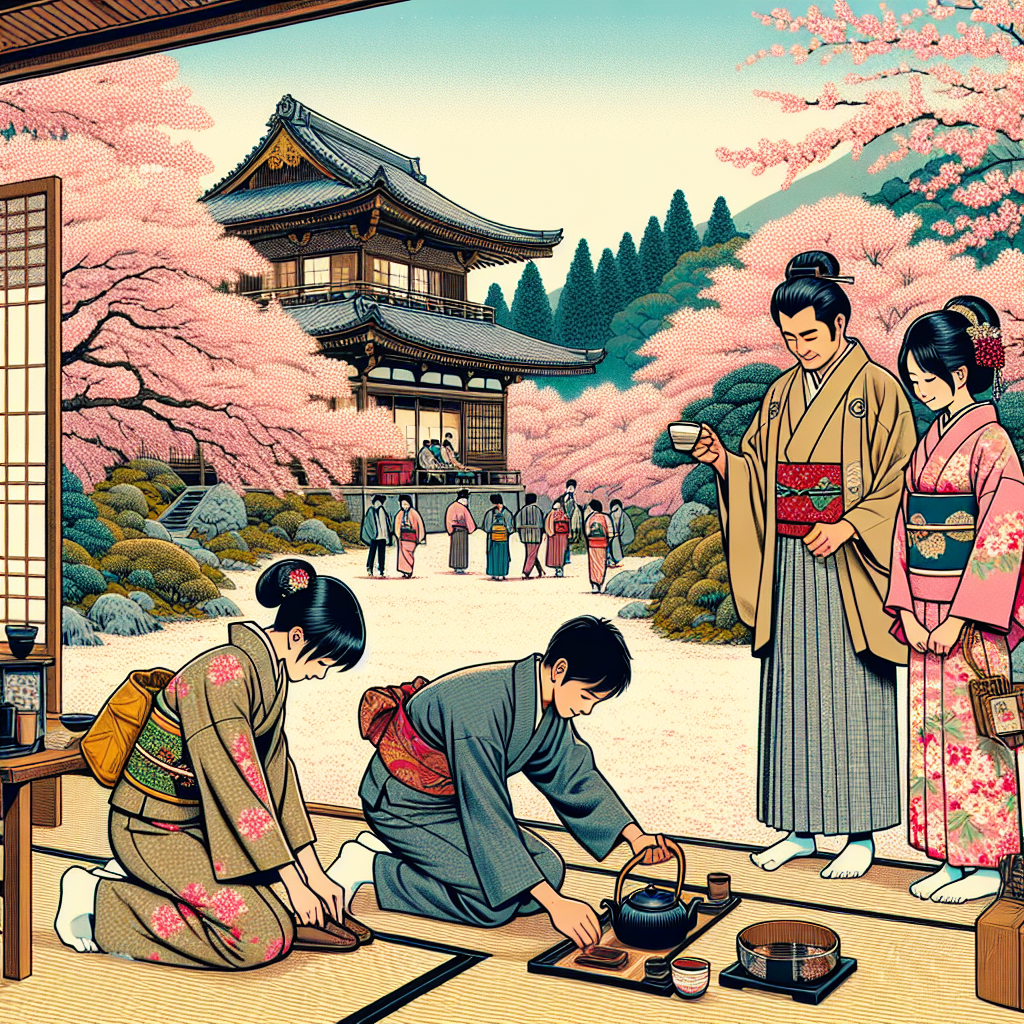
- Tea Ceremony (Chadō): Participate in a traditional tea ceremony. This serene ritual involves the preparation and presentation of matcha, powdered green tea. It’s a wonderful way to experience Japanese hospitality and mindfulness.
- Kimono Experience: Dress up in a beautiful kimono or yukata (a casual summer kimono). Many studios offer kimono rental services and can help you with dressing and hairstyling. It’s a fantastic photo opportunity and a chance to feel like a local.
- Calligraphy (Shodō) and Origami: Take a class in Japanese calligraphy or origami. These traditional arts are both relaxing and rewarding, and you’ll have a unique souvenir to take home.
- Taiko Drumming: Experience the power and energy of taiko drumming. Some studios offer introductory workshops where you can learn basic techniques and participate in a group performance.
- Japanese Cooking Class: Learn to make sushi, ramen, or other Japanese dishes. Cooking classes are a fun way to bond as a family and learn about Japanese cuisine.
Navigating Japanese Customs: Essential Etiquette Tips for Families
Understanding and respecting Japanese customs is crucial for a smooth and enjoyable trip. Here are some essential etiquette tips to keep in mind:
- Bowing (Ojigi): Bowing is a common greeting and a sign of respect in Japan. A slight nod is sufficient for casual encounters, while a deeper bow is used for more formal occasions. Don’t worry about perfecting the angle; your intention to show respect is what matters most.
- Shoes Off Indoors: It’s customary to remove your shoes when entering homes, temples, and some traditional restaurants. Look for the designated shoe removal area (genkan) and slippers provided.
- Using Chopsticks (Hashi): Learn the proper way to use chopsticks. Avoid sticking them upright in your rice bowl (this is done at funerals) or passing food directly from your chopsticks to someone else’s (also a funeral custom).
- Public Transportation Etiquette: Be mindful of noise levels on trains and buses. Avoid talking loudly on your phone and refrain from eating or drinking (except on long-distance trains).
- Onsen (Hot Spring) Etiquette: If you plan to visit an onsen, familiarize yourself with the rules. Generally, you’ll need to shower thoroughly before entering the bath and avoid wearing swimwear. Tattoos may need to be covered in some establishments.
- Gift-Giving: When giving a gift, present it with both hands and a slight bow. It’s customary to decline a gift once or twice before accepting it.
- Saying Thank You: “Arigato” (thank you) is your magic word. Use it often, and people will appreciate your politeness.
Family-Friendly Activities: Tailoring Your Itinerary
When planning your itinerary, consider activities that cater to all ages. Here are a few ideas for family-friendly fun:
- Theme Parks: Tokyo Disneyland, Tokyo DisneySea, and Universal Studios Japan (Osaka) are popular choices for families with children.
- Zoos and Aquariums: Japan has many excellent zoos and aquariums, showcasing a diverse range of animals.
- Parks and Gardens: Explore beautiful parks and gardens, such as Shinjuku Gyoen National Garden (Tokyo) or Kenrokuen Garden (Kanazawa).
- Museums: Many museums offer interactive exhibits that are engaging for children. The Ghibli Museum (Mitaka, near Tokyo) is a must-visit for fans of Studio Ghibli films.
- Festivals (Matsuri): If you’re lucky enough to be in Japan during a festival, be sure to attend. Festivals are a vibrant celebration of Japanese culture and tradition.
Dining with Kids: A Culinary Adventure
Japanese cuisine offers a wide variety of flavors and textures. Don’t be afraid to try new things! Here are some family-friendly dining options:
- Ramen: Noodle soup is a classic Japanese comfort food. Many ramen shops offer customizable options, so you can choose your broth, toppings, and level of spiciness.
- Sushi: While some kids may be hesitant to try raw fish, there are plenty of kid-friendly sushi options, such as cucumber rolls, avocado rolls, and cooked shrimp sushi.
- Udon: Thick wheat noodles served in a savory broth. Udon is often served with tempura or other toppings.
- Okonomiyaki: A savory pancake filled with cabbage, meat, and other ingredients. Okonomiyaki is a fun and interactive dish that everyone can enjoy.
- Tempura: Deep-fried seafood and vegetables. Tempura is light, crispy, and delicious.
By embracing these customs and seeking out immersive experiences, your family will create unforgettable memories and gain a deeper appreciation for the beauty and richness of Japanese culture. Enjoy your journey!
