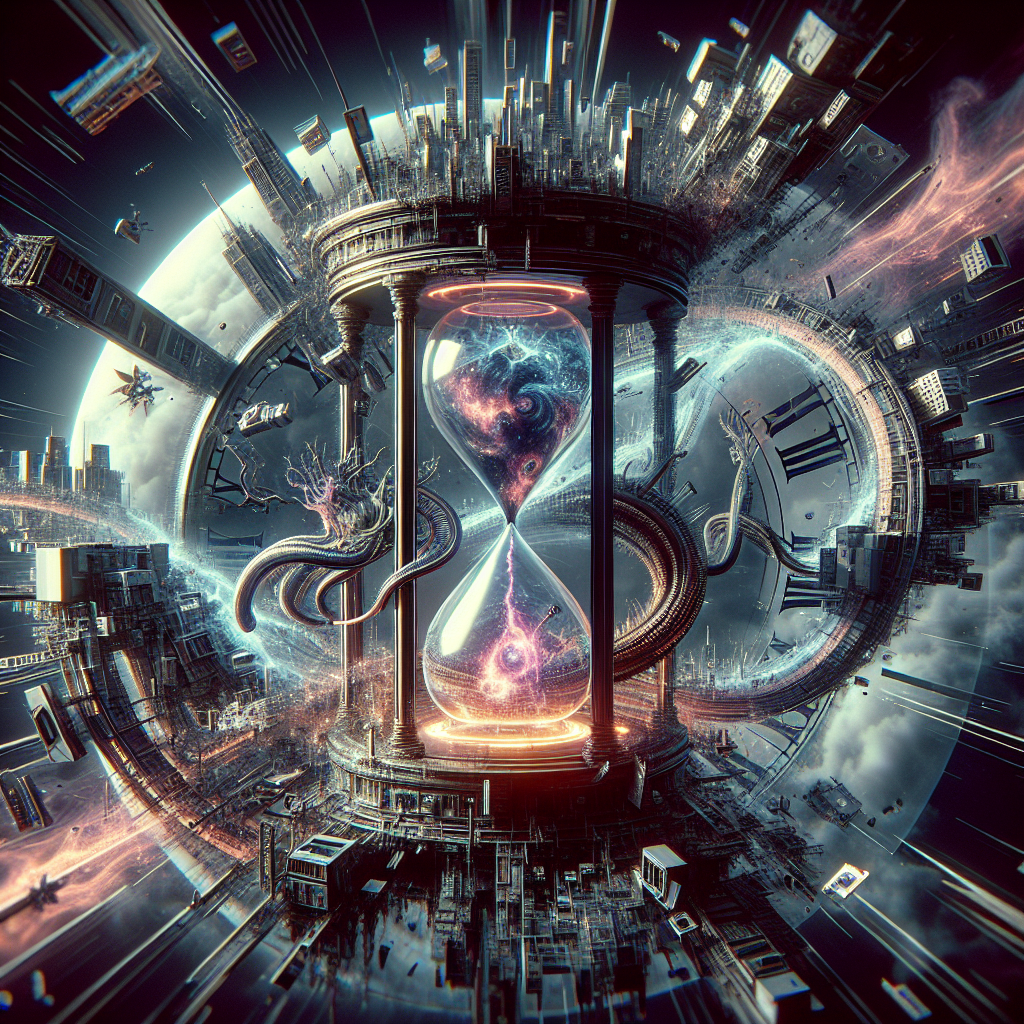
Akihabara Reboot: A Micro-Novel of Glitched Timelines
The energy drink tasted of ozone and burnt silicon. Not the neon-sweet concoction I craved amidst the electric buzz of Akihabara, but a sterile, chemical tang, a premonition of circuit boards frying. I forced it down, the acrid aftertaste lingering like a corrupted save file.
Rain slicked the narrow streets, reflecting the garish glow of anime billboards and towering manga displays. Another Tuesday. Or was it? The digital clock on the Yodobashi Camera building flickered, displaying a nonsensical jumble of numbers. A chill snaked down my spine, colder than the autumn drizzle.
I was reliving Tuesday. Again. And again. Each iteration subtly different, warped, wrong. The stray cat I usually saw near the Gundam Cafe was missing its left ear. The posters for the new idol group featured members I didn’t recognize. The arcade music played discordant melodies, synthesized madness.
The First Loop
The first time it happened, I dismissed it as déjà vu, a product of too much caffeine and sleep deprivation. Akihabara, with its chaotic energy and relentless sensory overload, often played tricks on the mind. But the second Tuesday was… off. A misplaced detail, a flickering sign, a conversation overheard that echoed a conversation from yesterday, yet twisted and altered.
The Glitch in the Matrix
By the fifth loop, panic set in. I tried to break the cycle. I took a different route to work. I ordered a different drink. I avoided the arcades. Nothing worked. I was trapped, a digital ghost haunting a corrupted simulation of Akihabara.
I started documenting the changes, meticulously noting the discrepancies. The price of a limited-edition figure in Radio Kaikan. The color of a cosplayer’s wig. The lyrics of a J-pop song blaring from a pachinko parlor. The data points formed a disturbing pattern, a slow, creeping decay of reality.
The Programmer’s Error
Then, I saw her. Standing in front of the Sega arcade, a girl with bright pink hair and oversized headphones. She wasn’t there yesterday. Or the day before. She held a handheld console, its screen displaying lines of code, scrolling too fast to decipher.
She looked up, her eyes meeting mine. A flicker of recognition, a hint of sadness. “It’s broken,” she said, her voice barely audible above the cacophony of the arcade. “I can’t fix it. The loop… it’s destabilizing.”
Before I could ask her who she was, what she meant, a wave of static washed over me. The world dissolved into a pixelated mess, colors bleeding and blurring. The girl with the pink hair vanished.
The Reset Button
I woke up. It was Tuesday. The energy drink tasted of ozone and burnt silicon. The rain fell on the streets of Akihabara. But something was different. The digital clock on the Yodobashi Camera building displayed the correct time. The stray cat had both ears. The arcade music played familiar tunes.
The loop was broken. But at what cost? A lingering sense of unease remained, a digital echo of a reality that had almost ceased to exist. The taste of ozone and burnt silicon, a constant reminder of the glitch in Akihabara’s timeline. I looked around, searching for the pink-haired girl, but she was gone. Perhaps she never existed. Or perhaps, she was the one who hit the reset button.
I took a sip of the toxic energy drink. It tasted…almost normal. Almost.
