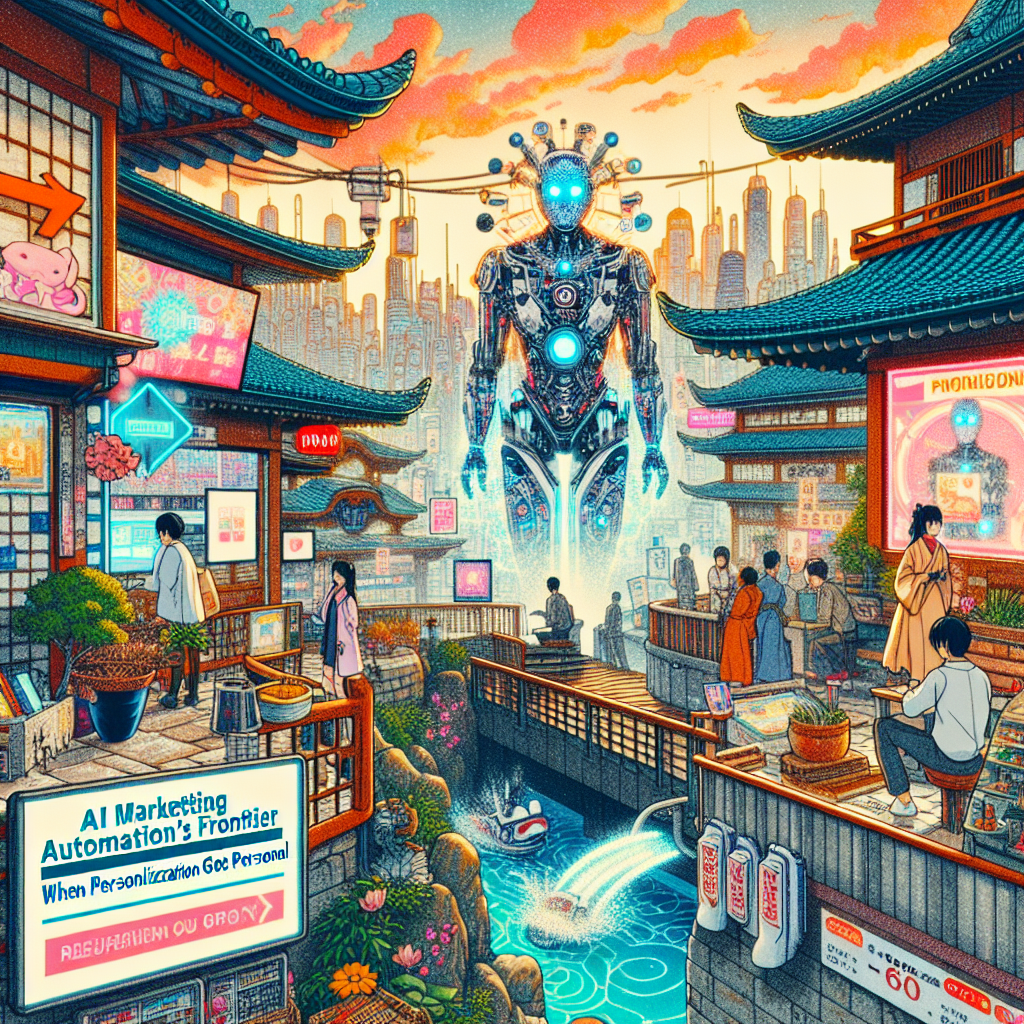
AI Marketing Automation: Walking a Fine Line
Artificial intelligence (AI) has become a game-changer in marketing, automating tasks, personalizing customer experiences, and boosting efficiency. However, the push for growth and competitive advantage is leading some marketers to employ AI in ways that raise serious ethical questions. This article explores the increasingly blurred lines in AI-driven marketing automation and the potential pitfalls of over-personalization.
The Allure of Hyper-Personalization
AI algorithms can analyze vast amounts of data to understand customer preferences, predict behavior, and deliver tailored content. This hyper-personalization promises to increase engagement, improve conversion rates, and foster customer loyalty. Imagine receiving product recommendations perfectly aligned with your past purchases, or targeted ads based on your browsing history. Sounds great, right? But what happens when personalization crosses the line?
Where Automation Gets Dicey
The problem arises when AI uses sensitive data without explicit consent, makes assumptions about customers based on limited information, or creates filter bubbles that reinforce existing biases. Consider these scenarios:
- Data Privacy Violations: AI scraping social media profiles for deeply personal information without user knowledge or consent.
- Predictive Policing Marketing: Using AI to predict a customer’s likelihood of needing specific products or services based on demographic data and socioeconomic factors, potentially reinforcing discriminatory practices.
- Emotional Manipulation: Crafting marketing messages designed to exploit vulnerabilities and trigger emotional responses, leading to impulsive purchases.
- Filter Bubbles and Echo Chambers: AI algorithms prioritizing content that aligns with a user’s existing beliefs, limiting exposure to diverse perspectives and reinforcing biases.
Examples of Questionable AI Marketing Tactics
Several real-world examples illustrate the potential risks of pushing AI marketing automation too far:
- A major retailer using facial recognition technology to track customer emotions and tailor in-store advertising in real-time, raising concerns about privacy and manipulation.
- A financial institution employing AI to assess loan applications based on social media activity, potentially discriminating against individuals with limited online presence or unconventional viewpoints.
- An online travel agency using AI to dynamically adjust prices based on a user’s browsing history and location, potentially exploiting loyal customers with higher fares.
The Ethical Implications
These examples highlight the ethical challenges inherent in AI marketing automation. The relentless pursuit of growth should not come at the expense of customer privacy, autonomy, and fair treatment. Marketers have a responsibility to ensure that AI is used ethically and responsibly.
Navigating the Murky Waters
So, how can marketers navigate the murky waters of AI-powered marketing and avoid crossing ethical lines? Here are some key considerations:
- Transparency and Consent: Be transparent about how AI is used to collect and analyze customer data. Obtain explicit consent before using sensitive information.
- Data Minimization: Collect only the data necessary for specific marketing purposes. Avoid hoarding data that is not actively used.
- Algorithmic Fairness: Ensure that AI algorithms are free from bias and do not discriminate against any particular group of individuals.
- Human Oversight: Implement human oversight to monitor AI-powered marketing campaigns and identify potential ethical issues.
- Ethical Guidelines: Develop clear ethical guidelines for AI marketing and train employees on how to implement them.
The Future of AI Marketing
As AI continues to evolve, it’s crucial for marketers to prioritize ethics and responsibility. By embracing transparency, fairness, and human oversight, marketers can harness the power of AI to create engaging and valuable customer experiences without compromising ethical principles. The future of AI marketing depends on our ability to use this technology wisely and ethically.
Ultimately, the goal should be to use AI to enhance, not exploit, the customer experience. By prioritizing ethical considerations, marketers can build trust, foster loyalty, and create sustainable growth in the long run.
