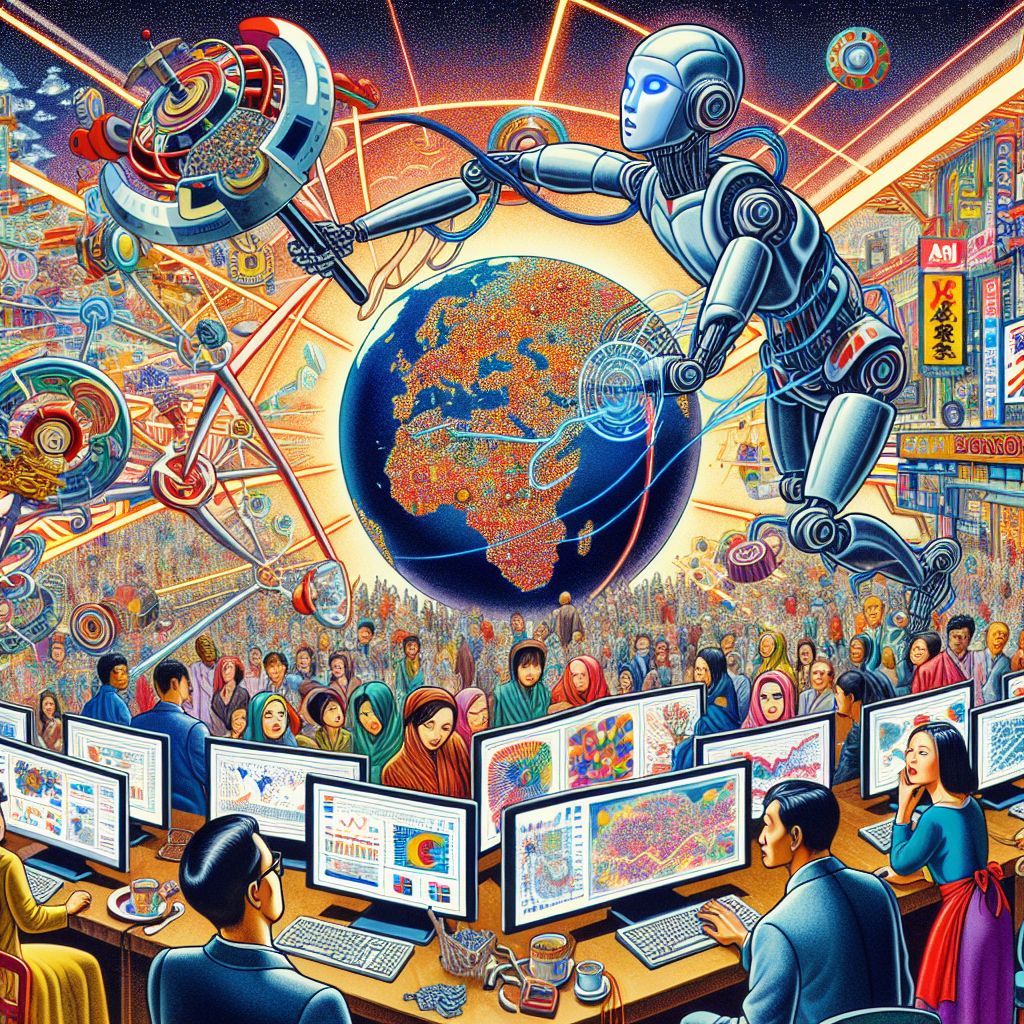
The Shady Side of AI Marketing: Automation Tactics Pushing Boundaries
Artificial intelligence (AI) has revolutionized marketing automation, enabling businesses to achieve unprecedented levels of personalization and efficiency. However, the intense drive for growth and competitive advantage has led some marketers to venture into ethically questionable and legally ambiguous territories, particularly when deploying AI-driven strategies globally.
The Allure of Pushing Boundaries
AI’s capacity to analyze vast datasets, predict consumer behavior, and tailor marketing messages at scale presents tempting opportunities to those seeking an edge. This has resulted in the exploration of tactics that skirt the edges of legality and ethical standards.
Some companies employ AI to collect and analyze data from sources that are not explicitly authorized, relying on loosely interpreted privacy policies or exploiting legal loopholes. This can involve scraping public data from social media platforms or using tracking technologies to monitor user behavior across multiple websites without obtaining proper consent. The data is then used to create highly targeted marketing campaigns, potentially violating privacy regulations such as GDPR or CCPA, depending on the user’s location.
Examples of Questionable AI Marketing Tactics
- Deepfake endorsements: Using AI to create fake endorsements from celebrities or influencers, without their knowledge or consent, to promote products or services.
- Automated deceptive reviews: Generating fake positive reviews using AI to manipulate product ratings and influence consumer purchasing decisions.
- Hyper-targeted emotional manipulation: Employing AI to analyze user sentiment and tailor marketing messages that exploit vulnerabilities or fears.
- Price discrimination based on AI profiling: Using AI to identify users willing to pay higher prices and charging them accordingly, even if not transparently disclosed.
The Legal and Ethical Minefield
The use of these tactics raises serious legal and ethical concerns. Many countries have strict laws regarding data privacy, advertising standards, and consumer protection. Companies that engage in shady AI marketing practices risk facing hefty fines, legal action, and reputational damage.
The ethical implications are equally significant. Exploiting user data without consent, manipulating consumer behavior, or engaging in deceptive advertising can erode trust and undermine the integrity of the marketing profession. The long-term consequences of these actions can be detrimental to brand reputation and customer loyalty.
Navigating the Gray Areas
The legal and ethical landscape surrounding AI marketing is constantly evolving. As AI technology advances, new challenges and potential pitfalls emerge. It is crucial for marketers to stay informed about the latest regulations and best practices.
Here are some key considerations for navigating the gray areas of AI marketing:
- Prioritize transparency and consent: Obtain explicit consent from users before collecting and using their data for marketing purposes. Be transparent about how AI is being used to personalize marketing messages.
- Adhere to privacy regulations: Comply with all applicable data privacy laws, such as GDPR, CCPA, and other regional regulations. Implement robust data security measures to protect user information.
- Avoid deceptive practices: Refrain from using AI to create fake reviews, generate deepfake endorsements, or engage in other forms of deceptive advertising.
- Focus on ethical AI development: Ensure that AI algorithms are designed and trained in a way that minimizes bias and avoids discriminatory outcomes.
- Establish clear ethical guidelines: Develop and enforce internal ethical guidelines for AI marketing, providing clear guidance to employees on what is acceptable and unacceptable behavior.
The Importance of Responsible AI Marketing
AI has the potential to transform marketing for the better, but it is essential to use this technology responsibly. By prioritizing transparency, ethical conduct, and compliance with legal regulations, marketers can harness the power of AI without crossing the line into ethically questionable or legally ambiguous territory. The future of marketing depends on building trust with customers and fostering a sustainable, ethical approach to AI-driven innovation.
